
Alexander Petrunin
Atribuire moștenire
Această arhivă grupează etichete istorice ale autorilor. Identitatea și paternitatea nu au fost verificate în cadrul procesului nostru editorial curent.
Articole

Securizarea unui server Freight MCP: OAuth 2.1, otrăvirea de instrumente și instanțe expuse
Partea a treia a seriei MCP pentru transportatori: odată ce un agent poate rezerva sarcini reale, cum îl împiedici să rezerve lucrul greșit pentru persoana greșită? Un model de securitate neutru față de furnizor, împărțit în citire versus scriere, OAuth 2.1 cu PKCE pentru instrumente de scriere, problemele de otrăvire a instrumentelor și de instanță expusă, și ce trebuie să impună un server de piață pe care un singur transportator îl poate omite.

Noile Reguli Vamale EAEU din iulie 2026: Expediere în Kazahstan, Rusia și Uniune
De la 1 iulie 2026, UEE (Uniunea Economică Eurasiatică) oferă comerțului electronic transfrontalier un regim vamal definit (deciziile Consiliului UEE): pragul de 200 de euro per expediere rămâne, dar peste acesta un colet va fi impozitat cu 5% taxe vamale (minimum 1 euro/kg) plus TVA conform regulilor naționale, TVA-ul Kazahstanului fiind acum de 16%. Iată interpretarea operațională: cine plătește la frontieră, DDP versus DAP și de ce un depozit de pe partea uniunii devine un avantaj.

Servere de transport MCP în 2026: Warp, CargoMART și ce ar trebui să expună un server de Marketplace
O comparație punctuală a serverelor MCP de transport care au fost livrate efectiv în 2026 (Warp, CargoMART, freightutils, Easyship): instrumente, unde este restricționată rezervarea, capcana validității ofertelor, stdio vs. HTTP găzduit și ce trebuie să expună un server de piață multi-transportator.

Explicarea SABER & FASAH: Certificarea de import din Arabia Saudită pas cu pas
Începând cu octombrie 2025, nicio expediere nu va fi vămuită în Arabia Saudită fără un certificat SABER. Iată cum funcționează SABER și FASAH împreună, diferența dintre PCoC și SCoC, procesul pas cu pas, modificarea codului HS din 2026 și principalele motive pentru respingerea certificatelor.
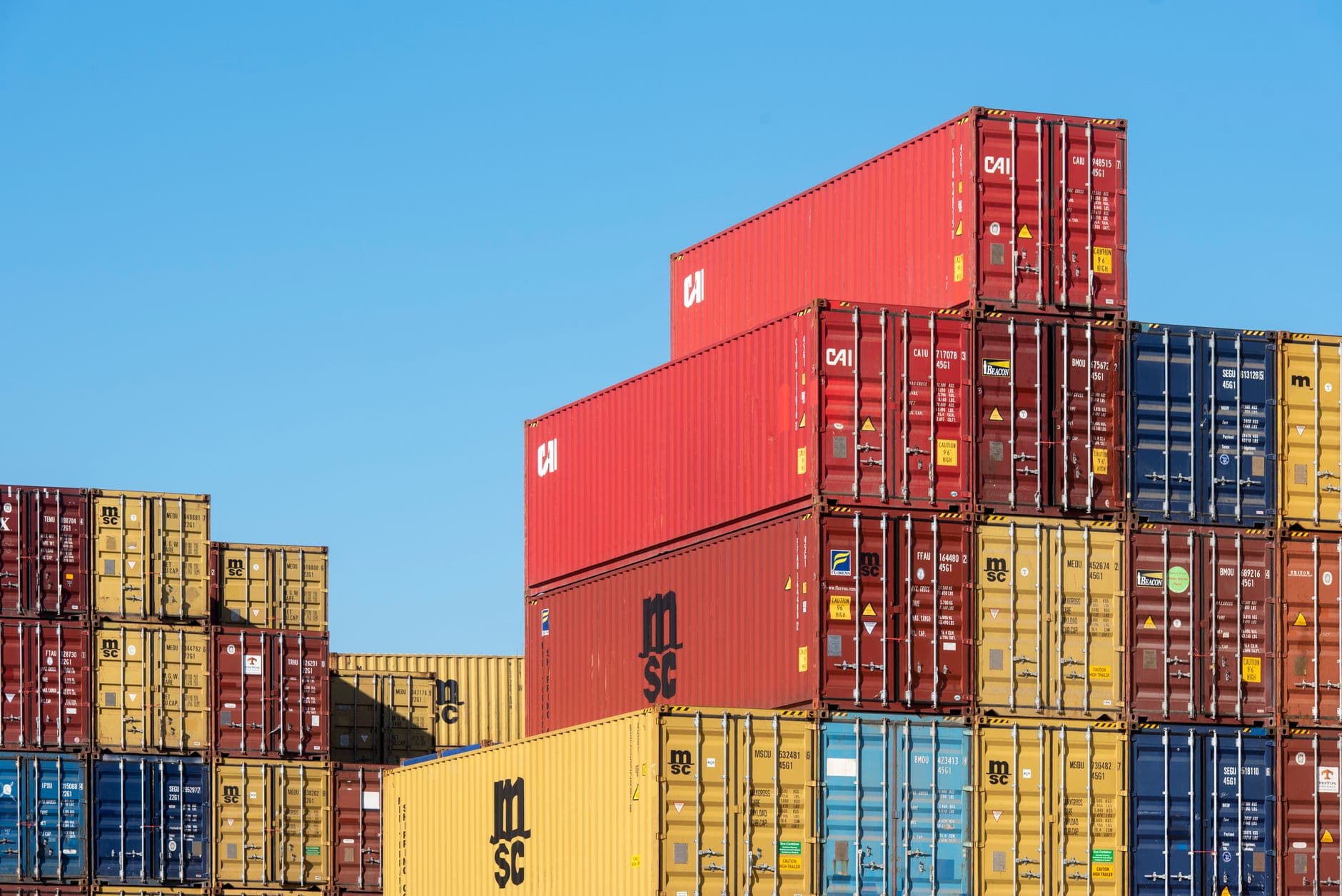
MCP în Logistică: Cum să conectați agenți AI la API-uri de transport de marfă
Un standard deschis permite acum agenților AI să citeze, să rezerve și să urmărească transportul prin intermediul unei singure integrări API. Iată cum funcționează MCP, un exemplu minim de server, cine îl rulează în 2026 și cum să îl mențineți securizat.
Portugal Freight Transport Trends and Logistics
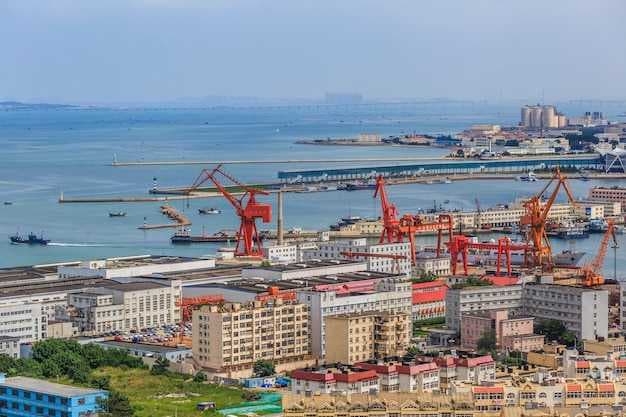
Portugal’s freight transport sector is undergoing a transformation driven by globalization, e-commerce growth, and strategic investments in port infrastructure. The country’s Atlantic edge, access to the Iberian Corridor, and proximity to both European and African markets position it as a key node in multimodal supply chains. In recent years, ports such as Port of Lisbon , Port of Leixões , and Port of Sines have expanded capacity, diversified cargo profiles, and improved hinterland connections to support containerized, bulk, and Ro-Ro traffic. Shifts toward intermodal solutions are accelerating, aided by ongoing TEN-T corridor enhancements, improved rail-first shipping lanes, and

Next Gen Freight Platforms for European Carriers
Next-gen freight platforms are digital ecosystems that connect European carriers, shippers, and logistics services through unified workflows and real-time data sharing. By integrating transport modes, customs compliance, and payment flows, these platforms create a seamless operating picture across the continent's diverse supply chains. They enable dynamic capacity matching , end-to-end visibility , and data-driven decision making , reducing manual touchpoints and accelerating tender cycles across cross-border corridors. For European carriers, benefits include lower empty miles , access to cross-border loads, improved on-time performance, and new revenue streams from value-added services
 Ilustrație editorială asistată de AI
Future European Freight Platforms for Carriers
European freight markets are transitioning to platform-based ecosystems that connect carriers, shippers, and logistics providers on a single digital interface. Fragmentation across borders, languages, and regulatory regimes creates friction; next-generation platforms aim to consolidate capacity, pricing, and compliance, delivering visibility and speed to carriers. These platforms will be built on open data standards and an API-first design, enabling seamless data exchange across modes, customs authorities, insurers, and payments. Real-time capacity matching, dynamic pricing , and multi-leg routing reduce empty miles and improve utilization. Interoperability across European borders remains

Future Freight Platforms for European Carriers
Future freight platforms are reshaping the European carrier landscape by connecting shippers, freight forwarders, and operators through unified digital marketplaces. They reduce empty miles, sharpen real-time visibility , and enable cross-border coordination across road, rail, sea, and air. These platforms converge legacy IT systems into interoperable ecosystems based on open APIs, standardized data models, and digital documentation. Interoperability and data standardization are the core enablers, reducing friction at borders and speeding up operational cycles. In the European regulatory context, platform design emphasizes transparency, compliance, and sustainability. Regulatory alignment

EU Carriers Marketplaces vs Traditional Brokers
The European freight market is shifting from traditional brokers to digital carrier marketplaces, platforms that directly connect shippers with a wide pool of carriers. These marketplaces optimize capacity along EU corridors, enable faster tendering, and standardize data flows, offering new options for both small and large shippers. Marketplace platforms deliver transparency , real-time capacity, dynamic pricing, and streamlined operations by aggregating quotes, tracking, and payments in a single interface. Shippers can compare routes, transit times, and service levels across multiple carriers, often with APIs that integrate to existing ERP or TMS systems. Traditional brokers still provide

EU Carrier Marketplaces vs Traditional Brokers
In the European freight market, carrier marketplaces bring shippers, carriers, and forwarders onto digital platforms that enable real-time capacity matching. Marketplaces deliver price transparency , rapid quotations, and standardized workflows, while traditional brokers rely on long-standing relationships, local knowledge, and bespoke risk management. Marketplaces scale by aggregating lanes across EU borders, enabling shippers to compare rates, transit times, and service levels in real time. Traditional brokers contribute lane expertise and customized solutions for complex shipments, including regulatory compliance, carrier vetting based on trust, and hands-on contingency planning for

Marketplaces vs Traditional Brokers for EU Carriers
EU Carriers Marketplaces are digital platforms that connect shippers with a network of carriers through real-time bidding, automated matching, and instant quotes, enabling a more fluid flow of capacity across the European Union. Unlike traditional brokers who manually source carriers and negotiate rates, marketplaces scale visibility and speed, reducing friction in cross-border shipments and enabling standardized workflows across multiple countries. These marketplaces improve price discovery and transparency by displaying carrier rates, transit times, and load histories in near-real time, allowing shippers to compare options without intermediaries. For carriers, the platforms offer access