
Alexander Petrunin
Legacy attribution
This archive groups historical author labels. Identity and authorship have not been verified under our current editorial process.
Articles
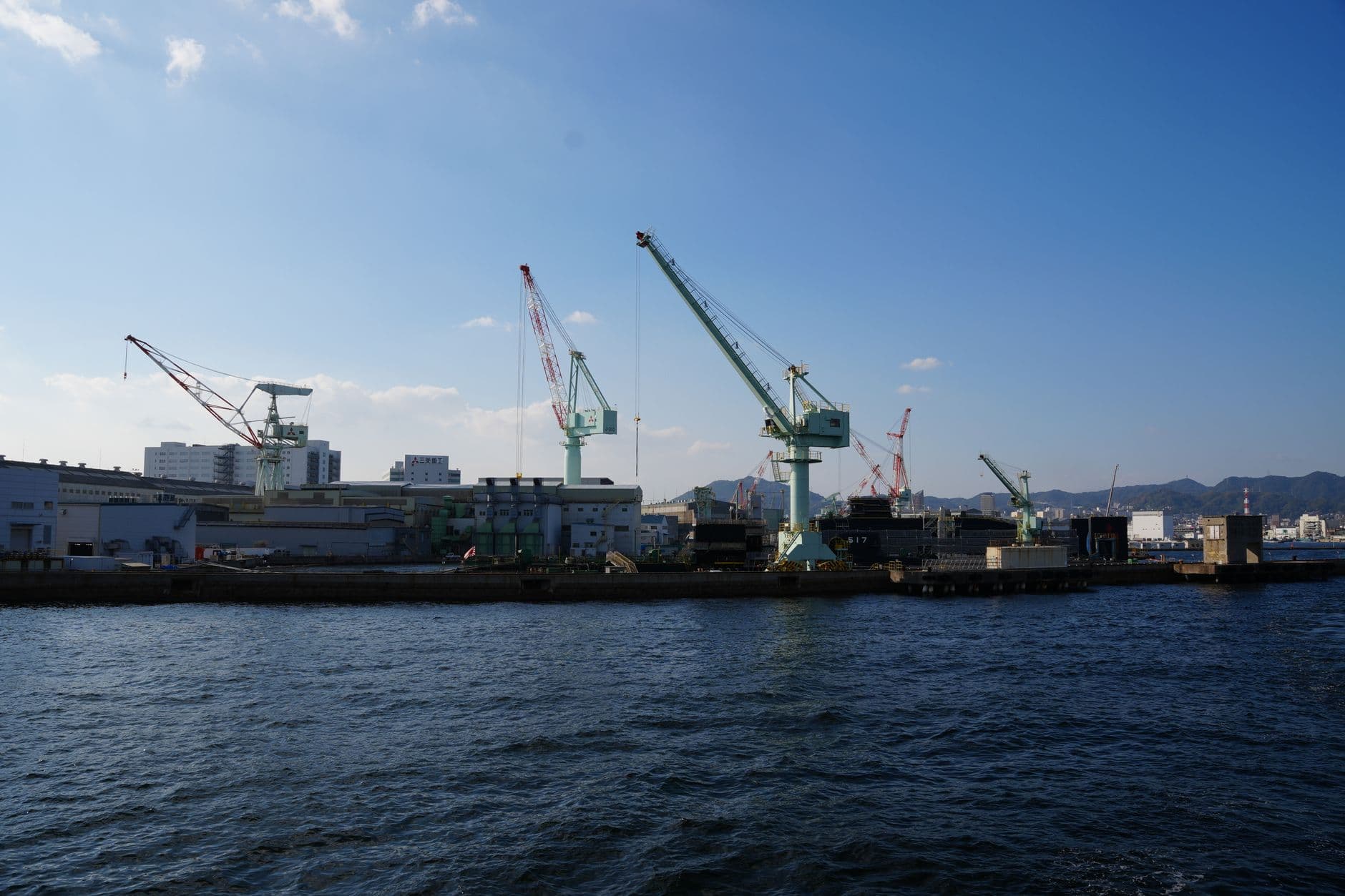
The Biggest Shipbuilders in the World in 2026, Ranked (Orderbook vs New Orders vs Deadweight)
China leads world shipbuilding by every measure, but the margin changes with the yardstick: 65 percent of the standing orderbook, 72 percent of first-half 2026 new orders by CGT, and 82.3 percent by deadweight. That 17-point spread tells you what kind of ships each country builds, and the global orderbook at 17 percent of the fleet tells you where freight rates go in 2028.
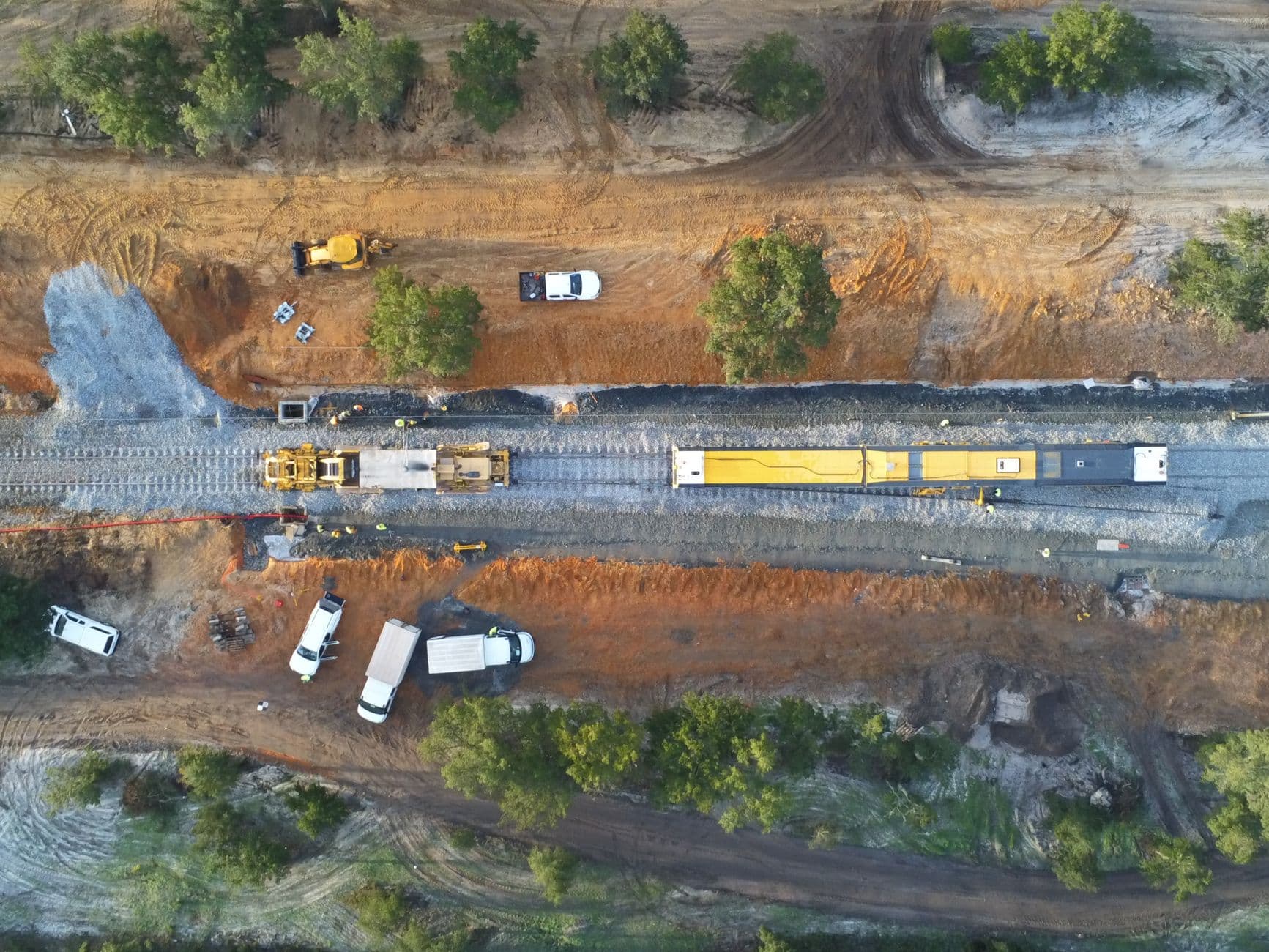
Rail Baltica Freight in 2026: What the Baltic Corridor Will Actually Carry
Rail Baltica is covered as a passenger railway, but the freight case rests on one problem: Baltic railways run on 1,520 mm gauge and Europe runs on 1,435 mm. Two things changed recently. The freight strategy now targets 80% intermodal trains rather than the bulk traffic the older 2017 forecast implied, and delivery risk has worsened sharply, with costs up from €5.8bn to nearly €24bn and the European Commission moving to pull a €51.5m grant over the stalled Daugava bridge.
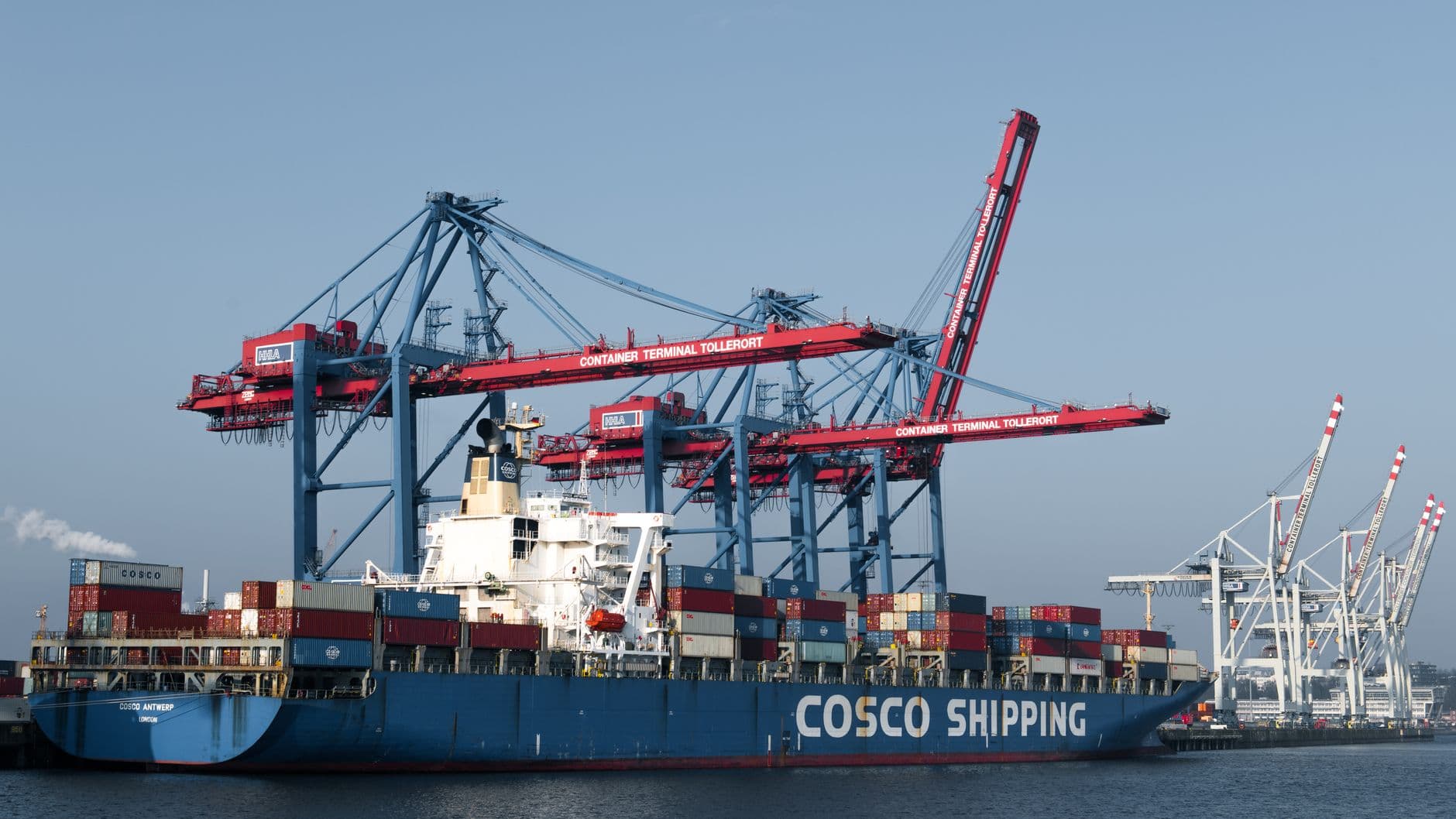
Section 301 China Exclusions Expire in November 2026: An Importer's Guide
A set of 178 Section 301 exclusions on Chinese goods lapses at 11:59 p.m. ET on 9 November 2026. If your HTS line is covered, the duty does not creep up, it steps back to the full China rate. Here is how to quantify your exposure before the cutoff.

Section 122 Expired, Section 301 Landed: A 2026 Importer's Tariff Playbook
The 10% Section 122 surcharge expired on 24 July 2026 and a forced-labor Section 301 duty of 10-12.5% on 60 economies replaced it at the same minute, with no gap. Here is what US importers pay now by origin, where the exemptions hide, and the 29 July Brazil in-transit cutoff.
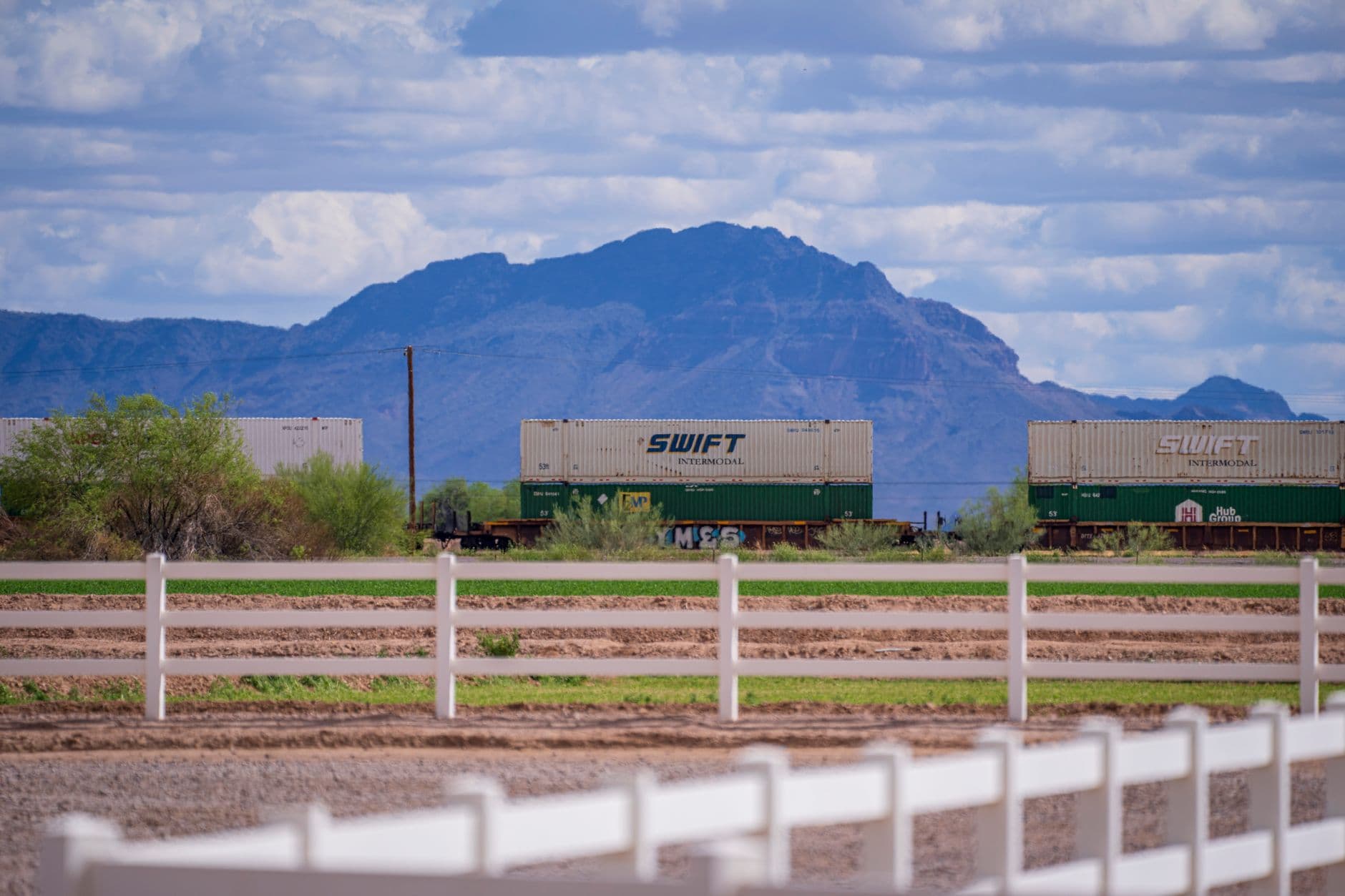
Qinghai-Dong Nai Rail Corridor: China to Vietnam Freight in Seven Days
In June 2026 the first direct freight train ran from western China's Qinghai to Vietnam's Dong Nai, cutting transit to about seven days. What the new China-Vietnam rail corridor moves, its route and border reality, and how shippers should read it.
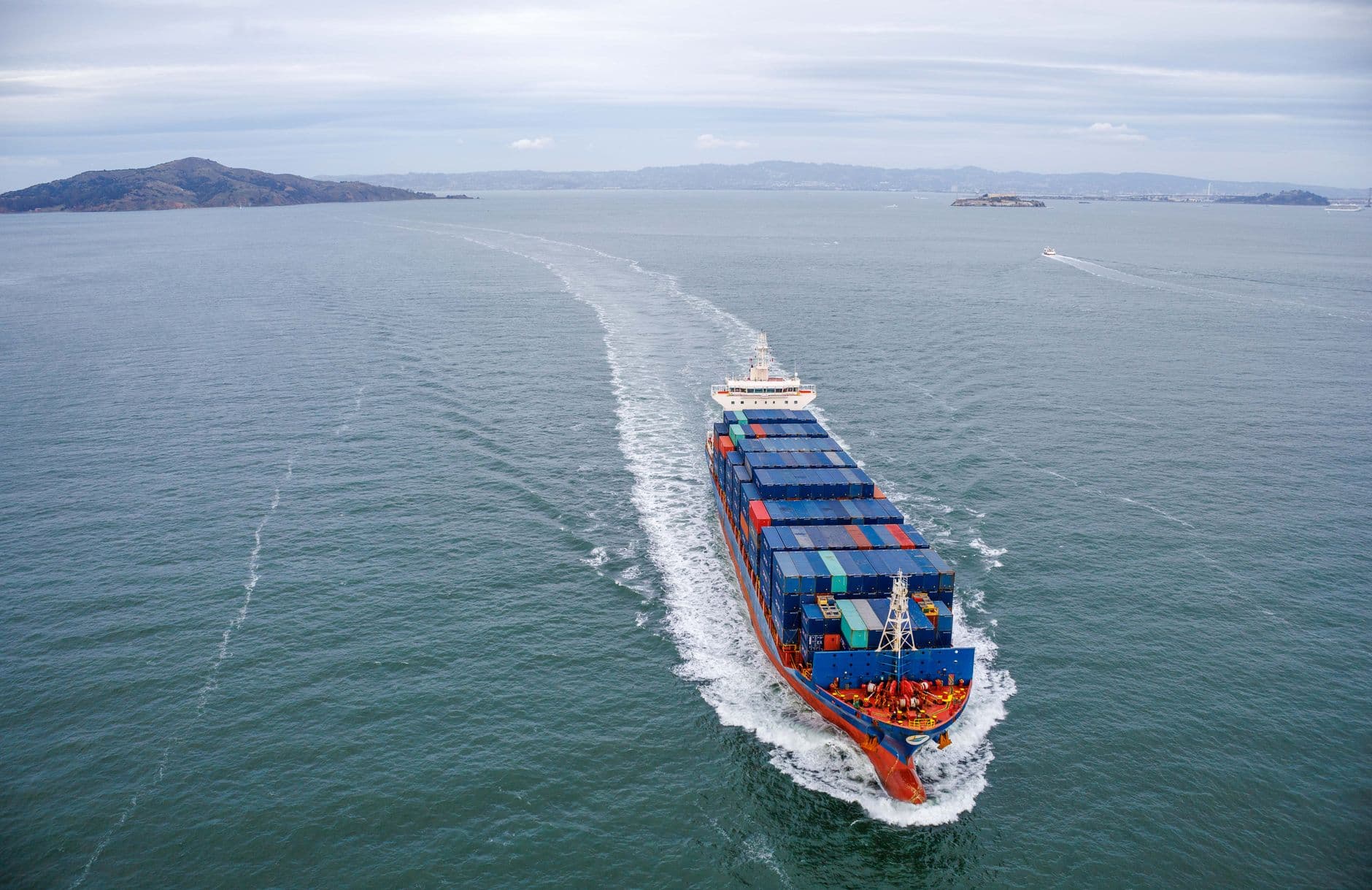
The INSTC in 2026: A Shipper's Guide to the North-South Corridor's Three Branches
A freight-desk guide to the International North-South Transport Corridor in 2026: its three branches, real transit times, surging cargo volumes, and the Rasht-Astara bottleneck that still shapes the western route.
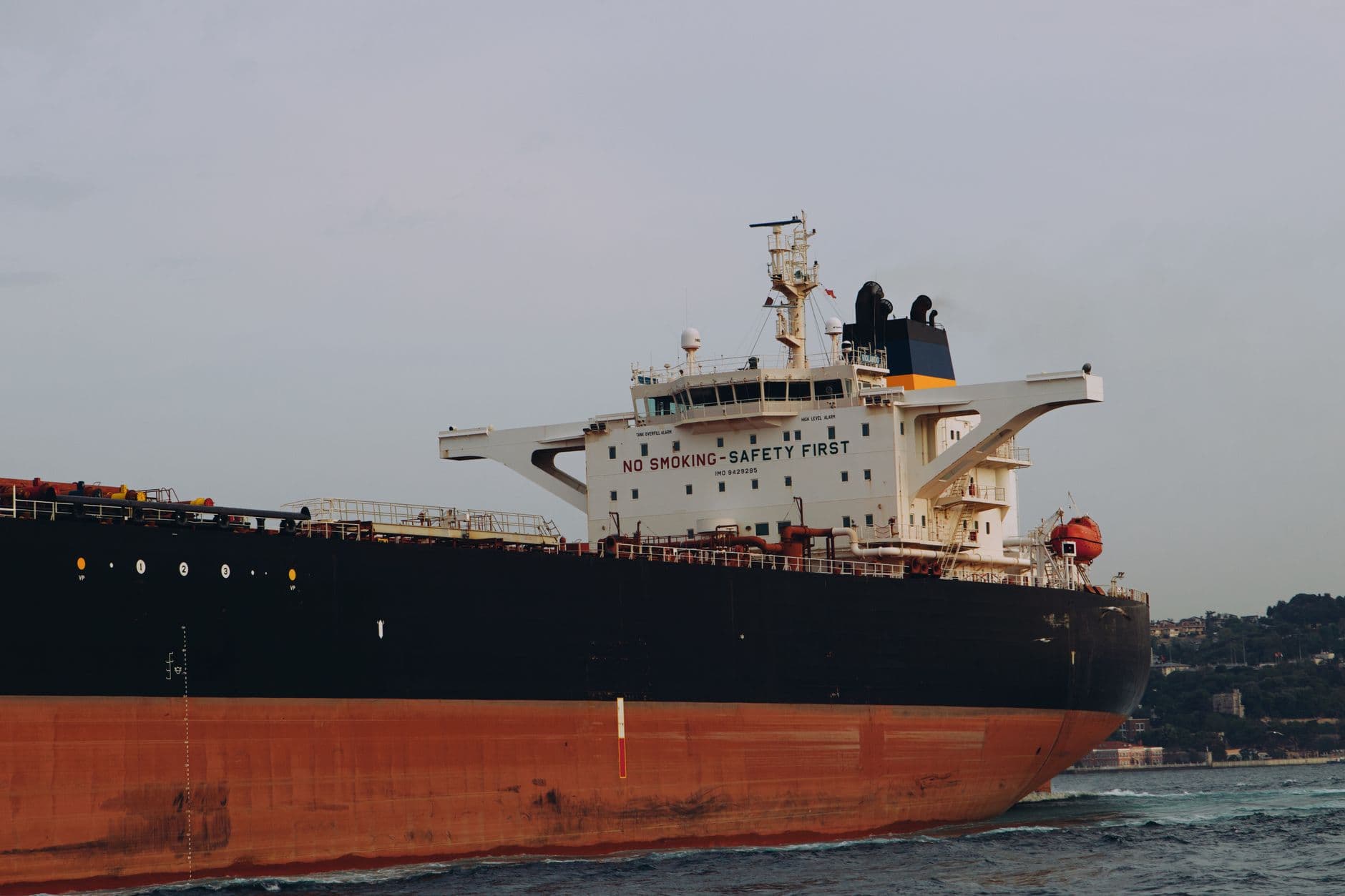
EU ETS for Shipping Hit 100% in 2026: How to Audit Your Carrier's ETS Surcharge
EU ETS reached full coverage in 2026 and now prices methane and nitrous oxide. How ocean-freight buyers audit and challenge the ETS surcharge on their invoice.
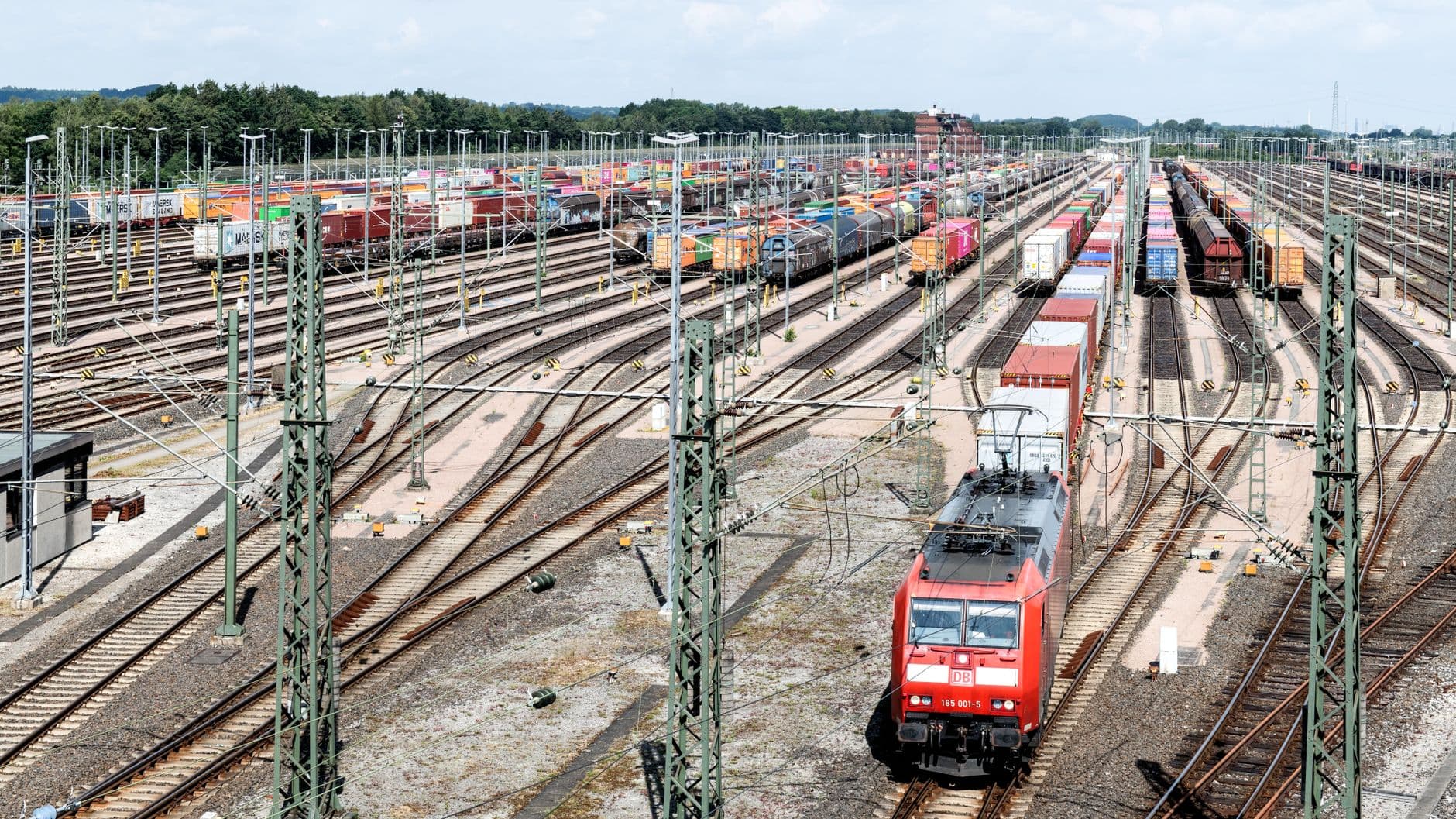
Germany’s Generalsanierung is closing key freight corridors through 2027, diverting up to 140 goods trains a day and straining routes across Austria. What is closing when, the knock-on effects on European freight, and a reroute playbook for shippers.
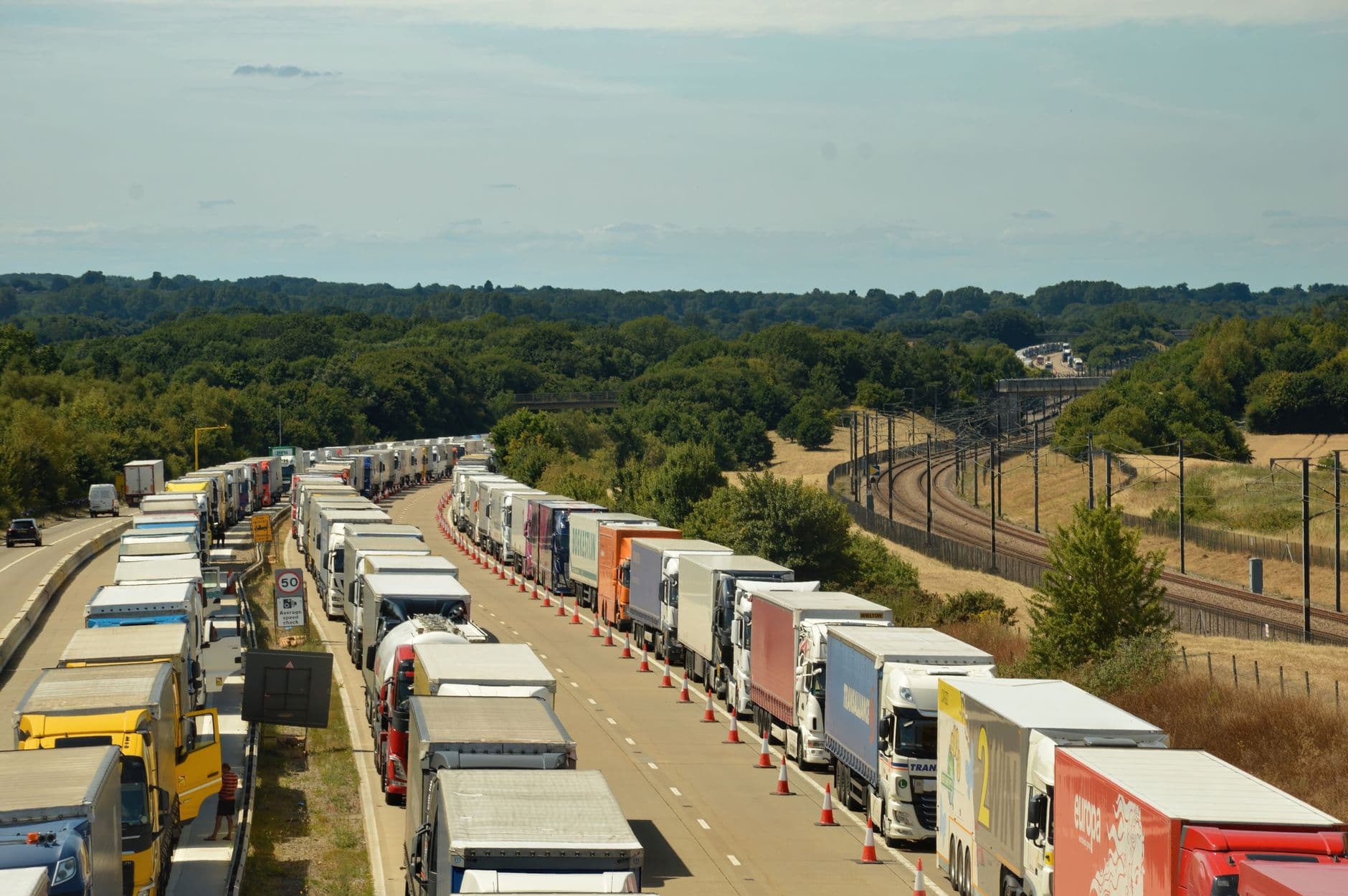
EU Entry/Exit System Live: 2026 Trucking Impact & Mitigation Playbook
The EU Entry/Exit System is fully live since April 2026. What biometric registration really means for non-EU drivers and cross-border trucking, why border queues formed, and a mitigation playbook for hauliers and freight buyers.
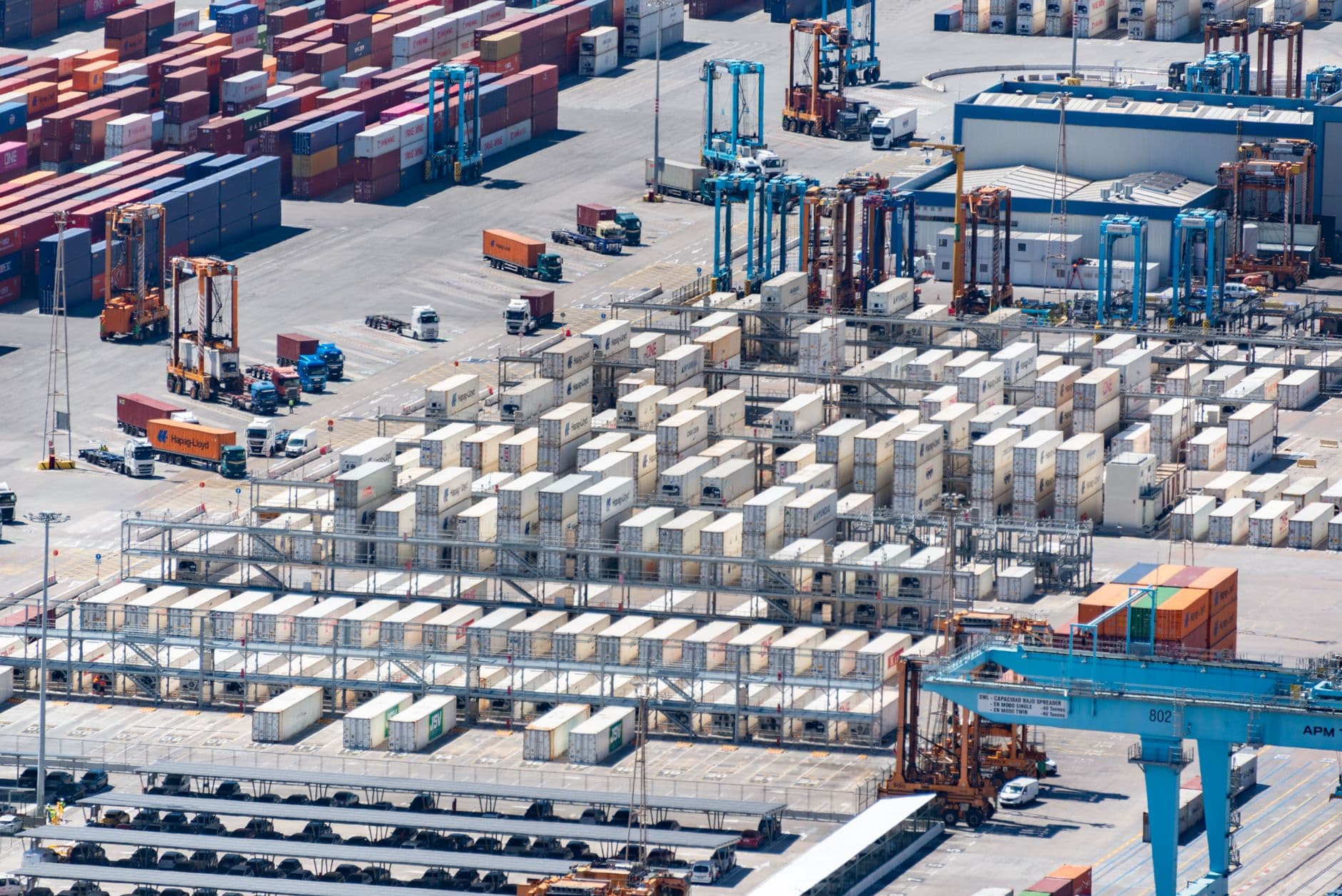
In April 2026 the Trans-Caspian countries approved a digitalisation plan built on e-CMR, electronic transit declarations and shared customs visibility. Our freight desk explains what these do to border dwell on the China to Europe Middle Corridor, plus the Caspian capacity wall no software can fix.

Kazakhstan's 2026 Rail Overhaul: What Mointy-Kyzylzhar Means for Middle Corridor Shippers
The World Bank's $846m guarantee and the new 322.3 km Mointy-Kyzylzhar line are reshaping Kazakhstan's Middle Corridor leg. What the upgrade means for shippers routing China to Europe: more capacity, double-stack, shorter transit.
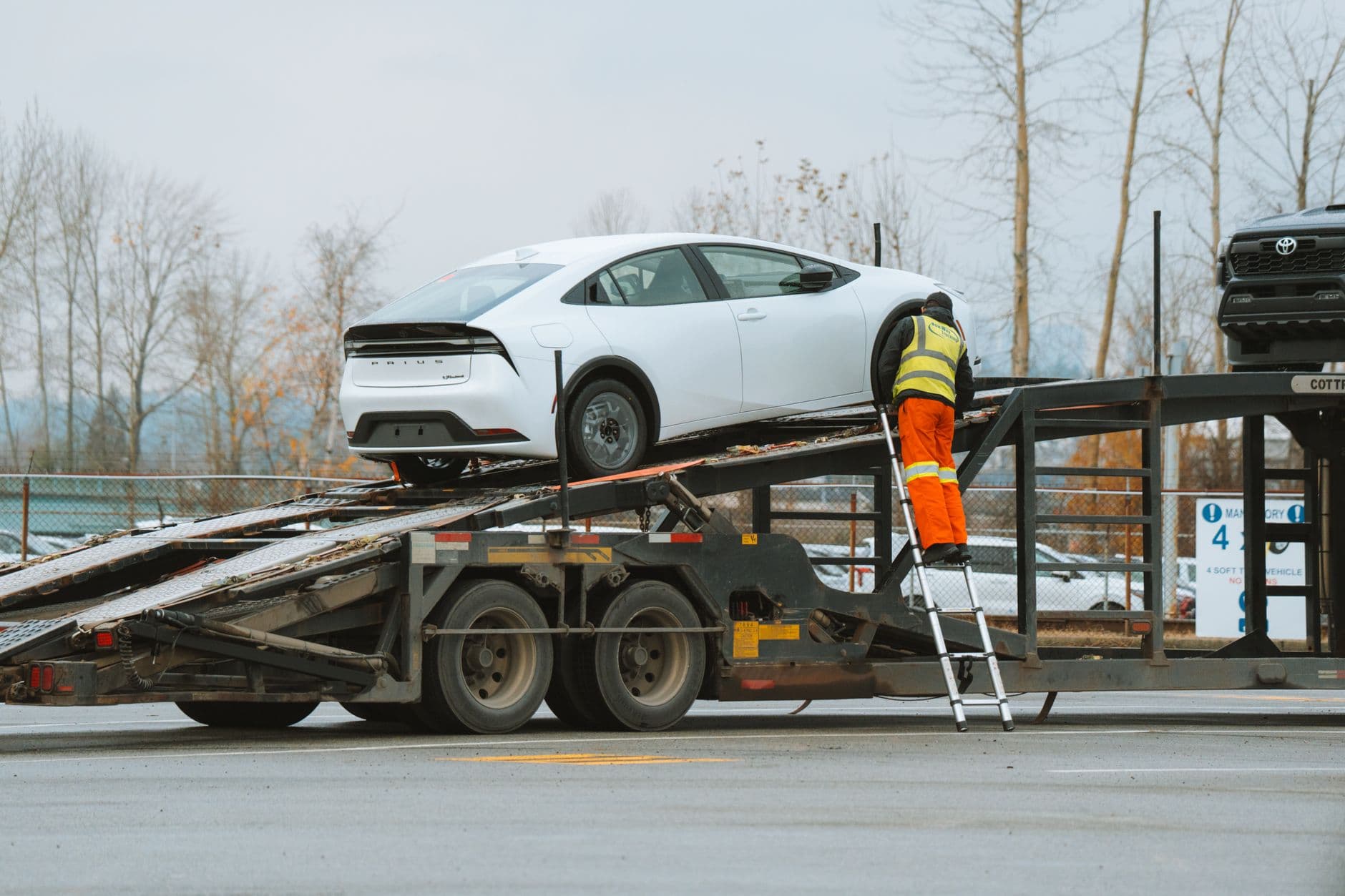
International Car Shipping in 2026: Methods, Cost, Documents and Cross-Border Lanes
A freight-desk guide to shipping a car internationally in 2026: the four methods and what they cost, transit times and the lanes that actually run, the documents customs gates on, and the cross-border EU and CIS moves the US calculators ignore.