


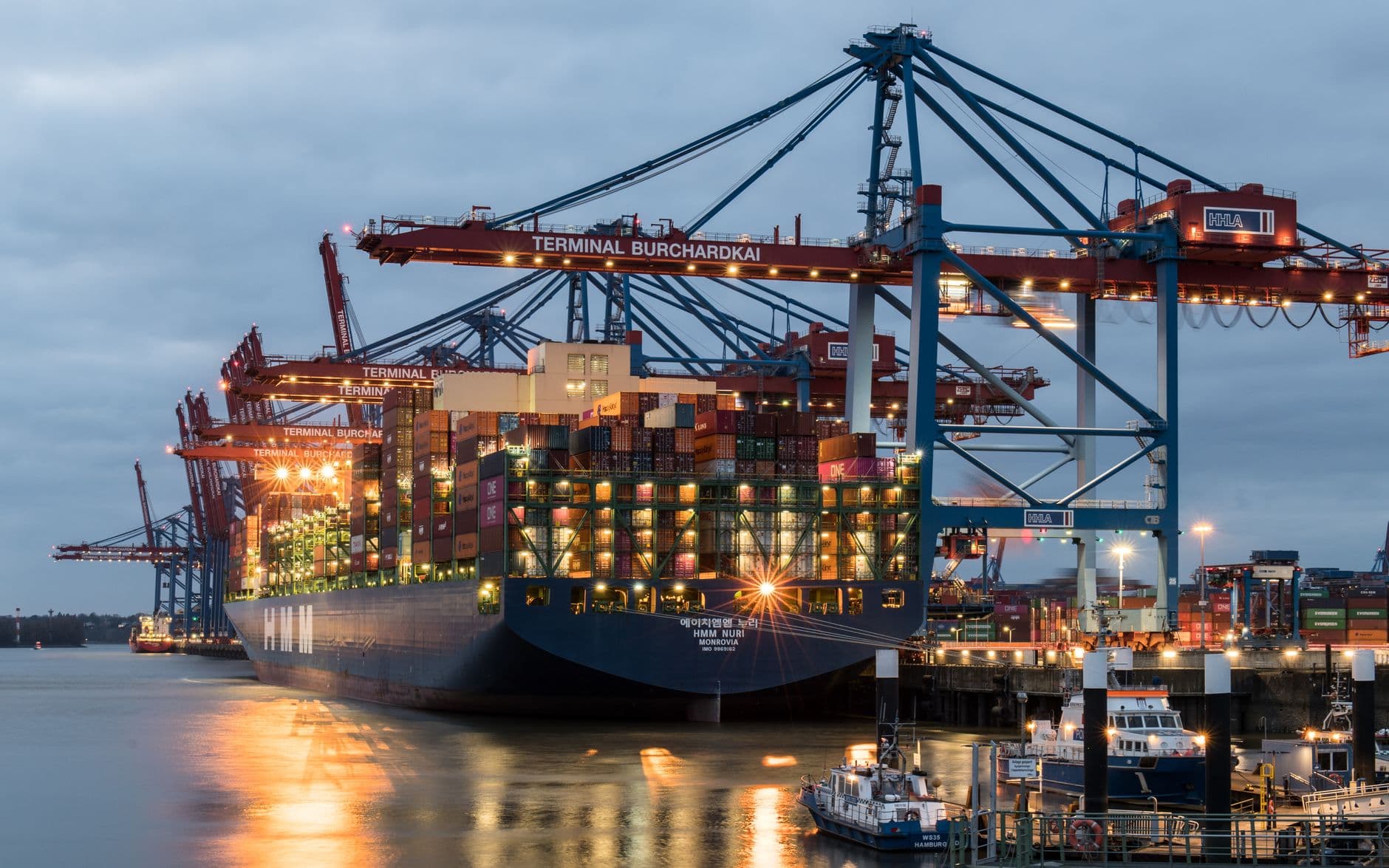

The United States Customs and Border Protection agency has intensified its scrutiny of transshipment schemes targeting tariff evasion, specifically focusing on goods that merely pass through third countries without undergoing substantial transformation. For importers relying on supply chains in Mexico, Vietnam, or China, the distinction between legitimate global manufacturing and prohibited transshipment has never been more critical to avoid severe financial penalties. The current enforcement climate demands rigorous documentation and a clear understanding of legal thresholds rather than relying on superficial origin labels.
페널티 구조: "40%"가 노출의 일부에 불과한 이유
The widely quoted 40% figure is real, but it is easy to misread. It refers to the additional 40% duty that Customs and Border Protection applies to goods it determines were transshipped to evade country-specific reciprocal tariffs — a surcharge levied on the merchandise itself, which CBP does not negotiate away. It is not, however, the ceiling on what a transshipment case can cost, and it is not the same thing as the civil penalty for filing a false origin declaration. Those penalties are governed by 19 U.S.C. § 1592 and scale with culpability, while fraudulent entries can also expose the goods to seizure and forfeiture of their full value under 18 U.S.C. § 1595a. In practice the exposures stack: the 40% surcharge on the goods can sit on top of a separate civil penalty for the misdeclaration.
| 상황 | 일반적인 노출 | 법적 근거 |
|---|---|---|
| 원산지 과실 신고 | 가치의 최대 ~20% (또는 분실된 관세의 2배) | 19 U.S.C. § 1592 |
| 중대 과실 | 최대 ~50%의 가치(또는 분실된 관세의 4배) | 19 U.S.C. § 1592 |
| 사기 | 가치의 최대 100%까지, 그리고 물품의 압수/몰수 | 19 U.S.C. § 1592 / 18 U.S.C. § 1595a |
| 수송 중계료 (상호 관세 제도) | 추가 평평한 40% 관세 on the goods | 2025년 상호관세 행정명령, CBP에 의해 적용됨 |
The takeaway for importers is that the real question is never “40%를 지불하게 될까” but “이 중 어떤 것이 적용되며, 그것들이 중복되는가.” A clean but negligent error carries a very different bill from a pattern CBP reads as intentional, and 물품에 대한 추가 부담금 is separate from 신고인에 대한 벌금.
Customs authorities utilize advanced data analytics to track supply chain movements, identifying patterns where goods are shipped from a high-tariff country to a low-tariff intermediary with minimal processing. If the investigation reveals that the primary purpose of the intermediate stop was to avoid duties, the transshipment surcharge attaches to the goods and a civil penalty for the misdeclaration follows, sized to how CBP characterises the conduct. This enforcement action often includes a retroactive audit of previous shipments, expanding the financial exposure significantly. Companies that fail to maintain precise records find themselves unable to prove compliance, leading to default judgments against them.
The scope of this crackdown extends beyond simple tariff avoidance. It includes violations of anti-dumping and countervailing duty orders, which are designed to protect domestic industries from unfair trade practices. When goods are transshipped to bypass these specific duties, the penalty structure is aggressive because the violation undermines the entire trade remedy system. Importers operating in sectors like steel, aluminum, or consumer electronics face heightened scrutiny due to the volume of trade and the historical prevalence of evasion tactics. The specific products and rates in the crosshairs shift with policy, however — steel and aluminum exposure in particular is tied to Section 232 actions that are revised periodically — so the list of “high-risk” goods in 2026 should be checked against the tariff actions in force at the time rather than assumed from prior years.
Understanding the mechanics requires recognizing that Customs는 원산지 사기를 무역 시스템의 무결성에 대한 직접적인 공격으로 간주하며, 이에 따라 상위 단계에서 가격을 책정합니다. 기업은 원산지 확인을 사후 고려 사항으로 여기기보다는 표준 운영 절차에 통합해야 합니다. 준수하지 않을 때의 비용 — 추가 요금, 민사 벌금 그리고 최악의 경우 몰수된 상품 — 은 견고한 공급망 감사에 대한 투자보다 훨씬 큽니다.
Substantial Transformation vs. Transshipment: 법적 경계선

The core legal distinction rests on the concept of substantial transformation, which determines whether a product’s identity has changed fundamentally during processing in an intermediate country. A good undergoes substantial transformation if it emerges from the foreign processing as a new and different article of commerce with a new name, character, or use. This is a high bar that mere assembly, packaging, or minor processing rarely meets. Transshipment, by contrast, involves moving goods through a third country with no such fundamental change, solely to alter the declared country of origin.
Consider the example of furniture manufacturing. If raw wood is harvested in Country A and shipped to Country B, where it is cut, sanded, and assembled into a finished chair, the chair may be considered substantially transformed in Country B. However, if pre-cut wooden components are shipped from Country A to Country B, where they are simply screwed together and painted, Customs will likely view this as transshipment. The essential character of the goods was determined in Country A, and the labor in Country B was minimal.
"새롭고 다른 물품" 테스트가 엄격하게 적용됩니다. 세관 담당관은 중간 국가에서의 부가가치와 총 가치의 상대적 비율을 검토합니다. 부가가치가 미미한 경우 실질적 변형 주장은 약합니다. 예를 들어, 스마트폰이 중국에서 제조된 부품의 95%를 사용하여 베트남에서 조립되는 경우, 베트남에서의 부가가치는 최소입니다. 세관은 베트남 원산지를 무시하고 중국 관세를 적용할 가능성이 높으며, 오류 신고에 대한 잠재적 벌금도 부과될 수 있습니다.
부가가치 및 가공 단계 평가
수입업체는 가공의 양적 및 질적 측면을 모두 평가해야 합니다. 양적으로는 중간 국가에서의 재료 및 인건비가 새로운 원산지를 정당화할 만큼 충분히 중요해야 합니다. 질적으로는 제품의 기능이나 형태를 변경하는 복잡한 제조 단계를 포함해야 합니다. 라벨링, 재포장 또는 간단한 조립과 같은 단순한 작업은 충분하지 않습니다. 가공은 제품의 최종 유용성에 필수적이어야 합니다.
문서화는 실질적 변형을 입증하는 데 중요한 역할을 합니다. 중간 국가의 제조업체는 상세한 자재 명세서, 공정 흐름도 및 비용 내역을 제공해야 합니다. 이러한 문서는 현지에서 수행된 제조 단계가 제품의 생성에 핵심적임을 입증해야 합니다. 이러한 증거가 없으면 세관은 원산지를 주요 부품이 제조된 국가로 간주할 것입니다.
준수 및 위반의 실제 사례
실제 사례는 준수 무역과 불법 환적 사이의 미세한 경계를 보여줍니다. 섬유 산업에서 일반적인 위반 사례는 제재 국가에서 실을 제3국으로 운송하여 직물을 짜고 미국으로 출하하는 것입니다. 직조 과정이 실질적 변형으로 간주되면 직물은 법적으로 제3국에서 기원한 것으로 볼 수 있습니다. 그러나 실이 이미 직물로 짜여져 있고 제3국에서 단순히 잘라 의류로 재봉된 경우, 이는 종종 환적으로 간주됩니다. 섬유의 본질적인 특성은 공급망의 초기 단계에서 확립되었습니다.
또 다른 예로는 전자 부품이 있습니다. 한 회사는 중국에서 회로 기판을 조달하여 멕시코에서 최종 가전제품으로 조립할 수 있습니다. 조립 과정에서 회로 기판을 케이스, 전원 공급 장치 및 기타 부품과 통합하고 멕시코의 인건비와 재료가 최종 가치의 상당 부분을 차지하는 경우 실질적 변형이 발생할 수 있습니다. 그러나 회로 기판이 거의 완성된 상태이고 멕시코에서의 단계가 미미한 경우, 세관은 멕시코 원산지 주장을 거부할 가능성이 높습니다.
- 각 SKU의 자재 명세서를 검토하여 모든 부품의 원산지를 확인하고, 고관세 국가가 적절한 변형 없이 비용 구조를 지배하지 않도록 합니다.
- 중간 국가에서 수행된 특정 제조 단계를 문서화하여, 소요 시간, 인건비 및 사용된 기계를 포함하여 부가가치를 입증합니다.
- 중간 국가에서 가공 전후의 제품 이름, 특성 및 용도를 비교하여 새로운 상거래 물품이 생성되었는지 평가합니다.
- 복잡한 제품의 원산지를 선언하기 전에 면허가 있는 세관 중개인과 상담하십시오. 잘못된 분류는 감사 및 40% 벌금을 유발할 수 있습니다.
이러한 예는 최종 조립 지점을 넘어서는 것의 중요성을 강조합니다. 수입업체는 원자재까지 그들의 상품의 계보를 추적해야 합니다. 주요 가치가 고관세 국가에서 창출된 경우, 다른 곳에서 수행된 미미한 후속 가공은 관세로부터 수입업체를 보호하지 못할 것입니다. 초점은 제품의 본질적인 정체성이 형성된 곳에 있으며, 단순히 완료된 곳에 있지 않습니다.
De Minimis 종료가 계산 방식을 바꾼다
2026년 환적 전략은 $800 de minimis 한도의 폐지를 고려해야 합니다. 수년간 저가치 소포는 최소한의 데이터로 미국에 무관세로 입국할 수 있었으며, 이는 중국에서 제3국을 통해 상품을 운송하고 작은 선적으로 나누는 것이 관세와 심사를 완화하는 매력적인 방법이었습니다. 중국산 상품에 대한 de minimis가 제거되고 — 1930년 관세법에 명시된 더 넓은 $800 면제가 단계적으로 폐지됨에 따라 — 이러한 소포는 이제 다른 수입품과 마찬가지로 정식 수입, 전체 데이터 및 관세 납부가 필요합니다.
The practical effect on the classic China → third country → United States chain은 두 가지입니다. 첫째, 800달러 미만을 유지하는 것에 의존했던 물량 분할 전술이 더 이상 효과가 없으므로, 원산지 문제는 역치 아래 숨겨지는 것이 아니라 상품의 장점에 따라 결정됩니다. 둘째, 그러한 선적 각각이 이제 CBP가 원산지를 테스트하는 데 필요한 입항 데이터를 생성하게 되므로, 한때 검사 없이 통과되던 배치가 이제 기록되고, 등록되어 아래 설명된 자동 교차 검사의 대상이 될 수 있습니다. de minimis를 중심으로 이행 체계를 구축한 수입업체는 해당 경로를 정식 입항 기준으로 재비용화하고, 제3국 단계를 통한 실질적 변형이 여전히 유효한지 재검토해야 합니다.
수입업자를 위한 문서 체크리스트
INLINE1X PRECODE1ENDCODE
To defend against allegations of transshipment, importers must maintain a comprehensive documentation trail. This checklist serves as a baseline for compliance and should be integrated into the procurement process. First, obtain a certificate of origin from the manufacturer in the intermediate country, detailing the specific processes performed there. Second, secure a detailed bill of materials that lists the country of origin for each component. Third, request a cost breakdown that separates the value of imported materials from the value of local labor and overhead.
Fourth, maintain records of shipping documents that show the movement of goods between countries, including bills of lading and air waybills. These documents must align with the declared origin and the actual flow of goods. Fifth, keep correspondence with suppliers that discusses manufacturing processes and origin claims. Emails or contracts that acknowledge the source of key components can be used to verify or refute origin claims. Sixth, retain internal audit reports that review the origin compliance of high-risk products.
이 문서는 세관 감사 시 쉽게 접근할 수 있어야 합니다. 수입업체는 이러한 기록을 선적 및 제품 코드별로 정리하여 조사 중에 신속하게 검색할 수 있도록 해야 합니다. 대량의 데이터를 관리하기 위해 검색 기능을 갖춘 디지털 저장 솔루션을 사용하는 것이 좋습니다. 이러한 문서를 정기적으로 검토하면 문제가 벌금으로 확대되기 전에 잠재적인 문제를 식별하는 데 도움이 될 수 있습니다.
내부 통제 및 공급업체 검증
문서 무결성을 유지하기 위해서는 내부 통제를 구현하는 것이 필수적입니다. 수입업체는 제조 시설에 대한 정기적인 현장 감사를 포함하여 공급업체의 주장을 검증하기 위한 프로토콜을 수립해야 합니다. 이러한 감사를 통해 설명된 공정이 실제로 진행되고 있으며 보고된 부가가치가 정확한지 확인할 수 있습니다. 또한, 수입업체는 공급업체가 원산지 선언의 정확성을 확인하는 진술서에 서명하도록 요구해야 합니다.
원산지 준수의 중요성에 대한 직원 교육은 또 다른 중요한 단계입니다. 조달 및 물류 팀은 위장 환적과 관련된 위험과 철저한 문서화의 필요성을 이해해야 합니다. 정기적인 교육 세션을 통해 직원들은 변화하는 규제 및 집행 동향에 대해 최신 정보를 유지할 수 있습니다. 준수 문화를 조성함으로써 기업은 의도하지 않은 위반 위험을 줄일 수 있습니다.
전략적 완화 및 미래 대비
위장 환적 벌금의 위험을 완화하려면 공급망 관리에 대한 사전 대응적 접근이 필요합니다. 다양한 지역에 공급업체를 다변화하면 고위험 국가에 대한 의존도를 줄이고 관세 변동에 대한 노출을 최소화할 수 있습니다. 수입업체는 또한 제조 시설을 미국 시장에 더 가깝게 가져오는 근거리 이전 또는 재조달 전략을 고려해야 하며, 이로 인해 원산지 주장이 단순해질 수 있습니다. 이러한 변화에는 초기 비용이 들 수 있지만, 장기적인 안정성과 준수 보장을 제공할 수 있습니다.
법률 전문가 및 통관 중개인과 협력하는 것은 복잡한 원산지 규칙을 탐색하는 데 필수적입니다. 이러한 전문가들은 특정 제품 및 공급망에 대해 맞춤형 조언을 제공하여 수입업체가 규정에 맞게 운영을 구조화하도록 도울 수 있습니다. 정기적인 상담을 통해 수입업체는 규제 변화와 집행 우선순위를 앞서 나갈 수도 있습니다.
이를 "미래"로 분류하는 것은 실수입니다. CBP는 이미 고급 데이터 분석 및 AI 기반 위험 타겟팅을 통해 입항 데이터 전체에 걸쳐 선언을 선적별로 비교하여 위장 환적을 나타내는 패턴(일관성 없는 경로, 공급업체의 알려진 용량과 일치하지 않는 원산지, 제품에 대한 표준에서 벗어난 가치)을 감지합니다. 이제 모든 공식 입항이 해당 시스템에 입력되므로, 수입업체가 선언한 내용과 체인 내 다른 곳에서 나타나는 데이터 간의 불일치는 우연히 발견되는 것이 아니라 자동으로 드러날 가능성이 높습니다. 방어적 조치는 기술이 도착하기를 기다리는 것이 아닙니다. CBP가 이미 귀하의 신고서를 다른 모든 사람의 신고서와 대조하고 있다고 가정하고, 그 비교를 견딜 수 있는 문서를 유지하는 것입니다. 변경 불가능하고 잘 정리된 기록은 이제 경쟁 우위가 아니라 기본 기대사항입니다.
규제 변화 모니터링
무역 규정은 동적이며, 새로운 관세 및 집행 정책이 정기적으로 도입됩니다. 수입업체는 세관 및 국경 보호국과 기타 관련 기관의 규제 업데이트를 모니터링해야 합니다. 업계 뉴스레터를 구독하고 무역 준수 웨비나에 참석하면 기업이 정보를 유지하는 데 도움이 될 수 있습니다. 규제 변화에 대한 최신 정보를 유지하면 수입업체는 대응적으로가 아닌 사전 대응적으로 전략을 조정할 수 있습니다.
자주 묻는 질문
미국 관세법에서 "실질적 변형"은 정확히 무엇을 의미합니까?
실질적 변형은 제품이 제조 공정을 거쳐 새로운 이름, 특성 또는 용도를 가진 새로운 상거래 물품으로 변할 때 발생합니다. 이는 최종 조립 위치뿐만 아니라 가공의 정도, 부가가치 및 제품의 본질적 정체성의 변화를 분석하여 결정됩니다.
환적 페널티는 항상 40%입니까? PRECODE0ENDCODE transshipment penalty INLINE0X는 항상 40%입니까?
No. 40%라는 수치는 CBP가 상품이 상호 관세를 회피하기 위해 환적되었다고 판단할 때 적용하는 추가 관세입니다. 허위 원산지 신고에 대한 처벌은 별도로 적용되며, 19 U.S.C. § 1592에 따라 과실의 정도에 따라 달라집니다 — 과실로 인한 경우 대략 가치의 20%까지, 중과실로 인한 경우 50%까지, 사기로 인한 경우 100%까지이며, 사기성 수입은 또한 압류 및 몰수의 위험에 노출됩니다. 이러한 위험은 누적될 수 있으며, 회피 패턴이 발견되면 여러 선적에 대해 소급하여 평가될 수 있습니다.
미국 관세를 피하기 위해 제3국에서 간단한 조립을 할 수 있나요?
아니요, 미리 제조된 부품을 나사로 조립하거나 상품을 재포장하는 것과 같은 단순한 조립은 실질적인 변형으로 간주되지 않습니다. 관세는 일반적으로 이러한 최소한의 가공 단계를 원산지 변경에 불충분한 것으로 보기 때문에, 이는 여전히 원래의 고관세 국가의 관세가 적용된다는 것을 의미합니다.
어떤 문서가 세관 감사 중에 가장 중요합니까?
가장 중요한 문서에는 상세한 자재 명세서, 원산지 증명서, 중간 국가에서의 부가가치 내역을 보여주는 원가 명세서, 그리고 물품의 이동 경로를 추적하는 선적 기록이 포함됩니다. 이러한 문서는 제품의 본질적인 특성이 어디에서 형성되었는지를 명확하게 입증해야 합니다.
결론
The US transshipment tariff crackdown in 2026 represents a significant shift in trade enforcement, demanding higher standards of proof and compliance from importers. The 40% penalty serves as a powerful deterrent, emphasizing that superficial origin changes are no longer viable strategies for avoiding duties. Importers must prioritize substantial transformation, maintain meticulous documentation, and engage proactively with compliance experts to navigate this complex landscape.
To ensure immediate compliance, conduct a full audit of your top ten highest-volume SKUs this week, verifying that the country of origin declared matches the location where the most significant value and transformation occurred, and update your supplier contracts to require detailed origin attestations.