


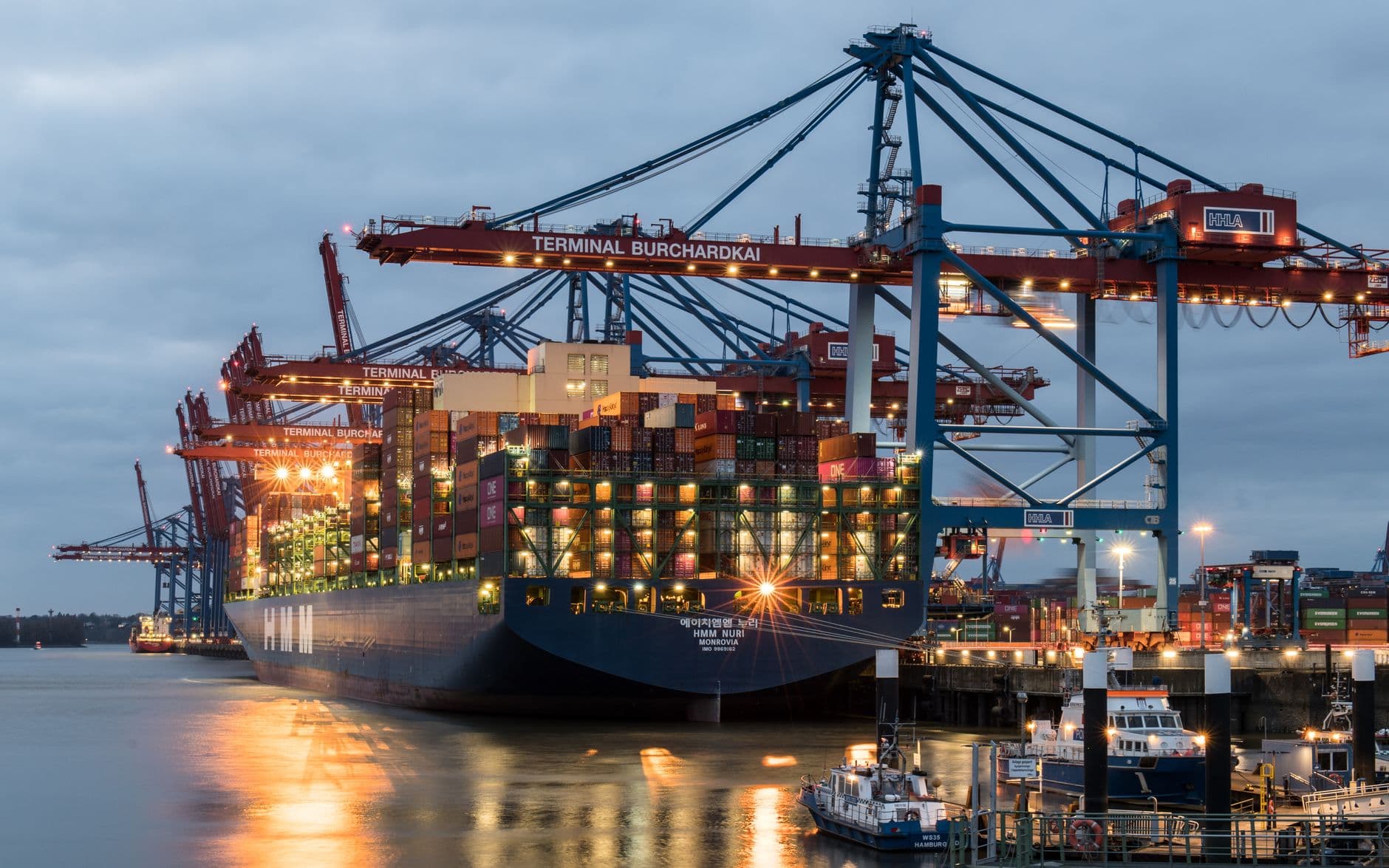

The United States Customs and Border Protection agency has intensified its scrutiny of transshipment schemes targeting tariff evasion, specifically focusing on goods that merely pass through third countries without undergoing substantial transformation. For importers relying on supply chains in Mexico, Vietnam, or China, the distinction between legitimate global manufacturing and prohibited transshipment has never been more critical to avoid severe financial penalties. The current enforcement climate demands rigorous documentation and a clear understanding of legal thresholds rather than relying on superficial origin labels.
ペナルティ構造: なぜ「40%」だけがリスクの一部なのか
The widely quoted 40% figure is real, but it is easy to misread. It refers to the additional 40% duty that Customs and Border Protection applies to goods it determines were transshipped to evade country-specific reciprocal tariffs — a surcharge levied on the merchandise itself, which CBP does not negotiate away. It is not, however, the ceiling on what a transshipment case can cost, and it is not the same thing as the civil penalty for filing a false origin declaration. Those penalties are governed by 19 U.S.C. § 1592 and scale with culpability, while fraudulent entries can also expose the goods to seizure and forfeiture of their full value under 18 U.S.C. § 1595a. In practice the exposures stack: the 40% surcharge on the goods can sit on top of a separate civil penalty for the misdeclaration.
| 状況
To reproduce the issue, follow these steps:
If the problem persists, check the log files for more details. | 典型的な露出 | 法的根拠 |
|---|---|---|
| 原産地の過失による虚偽申告 | 価値の最大約20%(または紛失関税の2倍)まで | 19 U.S.C. § 1592 |
| 重大な過失 | 価値の最大約50%(または紛失関税の4倍)まで | 19 U.S.C. § 1592 |
| 不正 | 価値の最大100%まで、および商品の押収/没収 | 19 U.S.C. § 1592 / 18 U.S.C. § 1595a |
| 輸送経由地追加料金(相互運賃制度) | Additional flat 40% duty on the goods の商品に対する追加一律40%の関税 | 2025年相互関税大統領令、CBPにより適用される |
The takeaway for importers is that the real question is never “will I owe 40%” but “which of these apply, and do they compound.” A clean but negligent error carries a very different bill from a pattern CBP reads as intentional, and the surcharge on the goods is separate from the penalty on the filer.
Customs authorities utilize advanced data analytics to track supply chain movements, identifying patterns where goods are shipped from a high-tariff country to a low-tariff intermediary with minimal processing. If the investigation reveals that the primary purpose of the intermediate stop was to avoid duties, the transshipment surcharge attaches to the goods and a civil penalty for the misdeclaration follows, sized to how CBP characterises the conduct. This enforcement action often includes a retroactive audit of previous shipments, expanding the financial exposure significantly. Companies that fail to maintain precise records find themselves unable to prove compliance, leading to default judgments against them.
The scope of this crackdown extends beyond simple tariff avoidance. It includes violations of anti-dumping and countervailing duty orders, which are designed to protect domestic industries from unfair trade practices. When goods are transshipped to bypass these specific duties, the penalty structure is aggressive because the violation undermines the entire trade remedy system. Importers operating in sectors like steel, aluminum, or consumer electronics face heightened scrutiny due to the volume of trade and the historical prevalence of evasion tactics. The specific products and rates in the crosshairs shift with policy, however — steel and aluminum exposure in particular is tied to Section 232 actions that are revised periodically — so the list of “high-risk” goods in 2026 should be checked against the tariff actions in force at the time rather than assumed from prior years.
Understanding the mechanics requires recognizing that Customs views origin fraud as 取引システムの完全性への直接的な攻撃とみなし、それに応じて上記の階層で価格設定を行います。Businesses must integrate origin verification into their standard operating procedures rather than treating it as an afterthought. 非準拠のコスト — 追加料金、民事罰、そして最悪の場合には没収された商品 — は、強固なサプライチェーン監査への投資をはるかに上回ります。
Substantial Transformation vs. Transshipment: 法的な境界線

The core legal distinction rests on the concept of substantial transformation, which determines whether a product’s identity has changed fundamentally during processing in an intermediate country. A good undergoes substantial transformation if it emerges from the foreign processing as a new and different article of commerce with a new name, character, or use. This is a high bar that mere assembly, packaging, or minor processing rarely meets. Transshipment, by contrast, involves moving goods through a third country with no such fundamental change, solely to alter the declared country of origin.
Consider the example of furniture manufacturing. If raw wood is harvested in Country A and shipped to Country B, where it is cut, sanded, and assembled into a finished chair, the chair may be considered substantially transformed in Country B. However, if pre-cut wooden components are shipped from Country A to Country B, where they are simply screwed together and painted, Customs will likely view this as transshipment. The essential character of the goods was determined in Country A, and the labor in Country B was minimal.
「新しく異なる商品」テストは厳格に適用されます。税関職員は、中間国での付加価値を商品の総価値と比較して評価します。付加価値がわずかな場合、実質的な変形の主張は弱くなります。例えば、スマートフォンがベトナムで組み立てられ、使用される部品の95%が中国で製造されている場合、ベトナムでの付加価値は最小限です。税関はベトナムの原産地を無視し、中国の関税を適用する可能性が高く、虚偽申告に対する潜在的な罰則も伴います。
付加価値と加工工程の評価
輸入者は、加工の定量的および定性的側面の両方を評価する必要があります。定量的には、中間国での材料費と労務費が新しい原産地を正当化するのに十分なほど重要でなければなりません。定性的には、加工が製品の機能や形状を変える複雑な製造工程を含む必要があります。ラベリング、再梱包、または簡単な組み立てなどの単純な作業では不十分です。加工は製品の最終的な有用性に不可欠でなければなりません。
文書は実質的な変形を証明する上で重要な役割を果たします。中間国の製造業者は、詳細な部品表、工程フロー図、コスト内訳を提供する必要があります。これらの文書は、現地で実施された製造工程が製品の創造にとって中心的であることを示さなければなりません。この証拠がない場合、税関は原産地を主要部品が製造された国とみなします。
コンプライアンスと違反の実例
実際のシナリオは、適法な貿易と不正な積み替えの間の微妙な境界を示しています。繊維業界では、制裁国から糸を第三国に出荷し、そこで織り上げて生地にし、その後米国に出荷することが一般的な違反です。織り工程が実質的な変形とみなされる場合、生地は合法的に第三国を原産地とすることができます。しかし、糸がすでに生地に織り上げられており、第三国で単に裁断して縫製されるだけの場合、これはしばしば積み替えとみなされます。繊維の本質的な特性はサプライチェーンの早い段階で確立されています。
別の例は電子部品に関するものです。企業は中国から回路基板を調達し、最終組み立てのためにメキシコに送るかもしれません。組み立てが回路基板をケース、電源、その他の部品と統合するものであり、メキシコの労働力と材料が最終的な価値の重要な部分を占める場合、実質的な変形が生じる可能性があります。しかし、回路基板がほぼ完成しており、メキシコでの工程が最小限の場合、税関はメキシコの原産地主張を却下する可能性が高いです。
- 各SKUの部品表を確認し、すべての部品の原産地を特定し、単一の高関税国が適切な変形なしにコスト構造を支配していないことを確認します。
- 中間国で実施された具体的な製造工程を文書化し、付加価値を証明するために、所要時間、労務費、使用された機械を含めます。
- 中間国での加工前後の製品の名称、特性、用途を比較し、新しい商業商品が創出されたかどうかを評価します。
- 複雑な製品の原産地を申告する前に、認可された税関ブローカーに相談します。誤分類は監査や40%の罰則を引き起こす可能性があります。
これらの例は、最終組み立て地点を超えて見ることの重要性を強調しています。輸入者は、商品の系譜を原材料まで遡る必要があります。主要な価値が高関税国で創出されている場合、その後の他国での最小限の加工では関税を回避することはできません。焦点は、製品の本質的なアイデンティティが形成される場所にあり、単に完成される場所ではありません。
De Minimisの終了が計算を変える
2026年の積み替え戦略は、800ドルのde minimis基準の撤廃を考慮に入れなければなりません。長年にわたり、低価値の小包は米国に無税で、最小限のデータで入国できました。これにより、中国からの商品を第三国経由でルーティングし、小さな出荷に分割することが、関税と精査を緩和する魅力的な方法となりました。中国原産の商品に対するde minimisが撤廃され、1930年の関税法に規定された800ドルの免除が段階的に廃止されることで、これらの小包は他の輸入品と同様に、正式な入国手続き、完全なデータ、関税の支払いが必要になります。
The practical effect on the classic China → third country → United States chain is twofold. First, the volume-splitting tactic that relied on staying under $800 no longer works, so the origin question is decided on the merits of the goods rather than hidden beneath the threshold. Second, every one of those shipments now generates the entry data CBP needs to test origin — which means an arrangement that once passed unexamined is now filed, recorded and available for exactly the kind of automated cross-checking described below. Importers who built fulfilment around de minimis need to re-cost those lanes on a formal-entry basis and re-examine whether the third-country step still amounts to substantial transformation.
クラシックな中国→第三国→アメリカのサプライチェーンへの実際の影響は二つあります。第一に、800ドル未満に抑えることで機能していたボリューム分割の戦術はもはや機能しません。そのため、原産地の問題は、しきい値の下に隠されるのではなく、商品の実質に基づいて決定されます。第二に、これらの出荷の一つ一つが、CBPが原産地をテストするために必要とするエントリーデータを生成するようになりました。これは、かつては検査されずに通過していた取り決めが、今では記録され、下記のような自動クロスチェックのために利用可能な状態でファイルされることを意味します。de minimisを中心にフルフィルメントを構築した輸入業者は、それらのルートを正式なエントリー基準で再コスト計算し、第三国での工程が依然として実質的な変換に相当するかどうかを再検討する必要があります。
インポーター向けドキュメントチェックリスト
To defend against allegations of transshipment, importers must maintain a comprehensive documentation trail. This checklist serves as a baseline for compliance and should be integrated into the procurement process. First, obtain a certificate of origin from the manufacturer in the intermediate country, detailing the specific processes performed there. Second, secure a detailed bill of materials that lists the country of origin for each component. Third, request a cost breakdown that separates the value of imported materials from the value of local labor and overhead.
Fourth, maintain records of shipping documents that show the movement of goods between countries, including bills of lading and air waybills. These documents must align with the declared origin and the actual flow of goods. Fifth, keep correspondence with suppliers that discusses manufacturing processes and origin claims. Emails or contracts that acknowledge the source of key components can be used to verify or refute origin claims. Sixth, retain internal audit reports that review the origin compliance of high-risk products.
このドキュメントは税関監査のために容易にアクセス可能でなければなりません。輸入者はこれらの記録を出荷および製品コードごとに整理し、調査中に迅速に検索できるようにする必要があります。大量のデータを管理するために、検索機能を備えたデジタルストレージソリューションが推奨されます。これらの文書を定期的に見直すことで、問題が罰則にエスカレートする前に潜在的な問題を特定するのに役立ちます。
内部統制とサプライヤー検証
ドキュメントの完全性を維持するためには、内部統制の実施が不可欠です。輸入者は、サプライヤーの主張を検証するためのプロトコルを確立する必要があります。これには、製造施設の定期的な現地監査が含まれます。これらの監査により、説明されたプロセスが実際に行われていること、および報告された付加価値が正確であることを確認できます。さらに、輸入者は、原産地宣言の正確性を確認する証明書にサプライヤーが署名することを要求する必要があります。
原産地コンプライアンスの重要性についてスタッフを教育することも重要なステップです。調達および物流チームは、積み替えに関連するリスクと、徹底したドキュメントの必要性を理解する必要があります。定期的なトレーニングセッションにより、従業員は変化する規制や執行動向について常に最新の情報を得ることができます。コンプライアンスの文化を醸成することで、企業は不注意による違反のリスクを減らすことができます。
戦略的リスク軽減と将来への備え
積み替えによる罰則のリスクを軽減するには、サプライチェーン管理に対する積極的なアプローチが必要です。異なる地域にサプライヤーを多様化することで、リスクの高い国への依存を減らし、関税変動へのエクスポージャーを最小限に抑えることができます。輸入者はまた、製造を米国市場に近づけるニアショアリングやリショアリング戦略を検討し、それにより原産地の主張を簡素化することができます。これらの変更には初期コストがかかるかもしれませんが、長期的な安定性とコンプライアンスの保証を提供することができます。
法的専門家や税関ブローカーと連携することは、複雑な原産地規則をナビゲートするために不可欠です。これらの専門家は、特定の製品やサプライチェーンに関するカスタマイズされたアドバイスを提供し、輸入者が規制に準拠した運営を行えるように支援します。定期的な相談により、輸入者は規制の変更や執行の優先事項に先んじることができます。
これを「将来」の問題として扱うのは間違いです。CBPはすでに高度なデータ分析とAI駆動のリスクターゲティングをエントリーデータ全体で実行し、積み替えを示すパターン(一貫性のないルーティング、サプライヤーの既知の能力と一致しない原産地、製品の標準から逸脱した価値など)を出荷ごとに比較して検出しています。すべての正式なエントリーが現在そのシステムに供給されているため、輸入者が宣言した内容とサプライチェーンの他の部分で示されているデータとの間に不一致がある場合、それは偶然にではなく自動的に検出される可能性が高いです。防御的な対策は、技術が到来するのを待つことではありません。CBPがすでにあなたの申告を他のすべての申告と照合していると仮定し、その比較に耐えうるドキュメントを保持することです。不変で整理された記録は、もはや競争上の優位性ではなく、基本的な期待事項です。
規制変更のモニタリング
貿易規制は動的であり、新しい関税や執行ポリシーが定期的に導入されます。輸入者は、税関・国境警備局およびその他の関連機関からの規制の更新を監視する必要があります。業界ニュースレターを購読し、貿易コンプライアンスのウェビナーに参加することで、企業は情報を常に把握することができます。規制の変更に常に対応することで、輸入者は反応的にではなく、積極的に戦略を調整することができます。
よくある質問
米国の税関法において「実質的な変化」とは具体的に何を指しますか?
実質的な変化とは、製品が製造プロセスを経て、新しい名称、特性、または用途を持つ新たな商業的な物品に変わることを指します。これは、最終的な組立場所だけでなく、加工の程度、付加価値、および製品の本質的なアイデンティティの変化を分析することによって決定されます。
積み替えのペナルティは常に40%ですか?
いいえ。40%の数値は、CBPが商品が相互関税を回避するために積み替えされたと判断した場合に適用する追加関税です。偽の原産地申告自体の罰則は別であり、19 U.S.C. § 1592に基づき過失の程度に応じて変動します — 過失の場合は価値の約20%まで、重大な過失の場合は50%まで、詐欺の場合は100%までで、詐欺的な輸入はまた差し押さえおよび没収の対象となります。これらのリスクは積み重なる可能性があり、回避のパターンが見つかった場合には複数の出荷に対して遡及的に評価されることがあります。
米国の関税を回避するために第三国での簡単な組み立ては有効ですか?
いいえ、あらかじめ製造された部品をネジで組み立てたり、商品を再梱包したりするような単純な組み立ては、実質的な変形とはみなされません。税関は通常、これらの最小限の加工ステップを原産国を変更するのに不十分と見なします。つまり、元の高関税国の関税が依然として適用されることになります。
カスタムズ監査中に最も重要なドキュメントは何ですか?
最も重要な文書には、詳細な部品表、原産地証明書、中間国での付加価値を示すコスト内訳、および商品の移動を追跡する出荷記録が含まれます。これらの文書は、製品の本質的な特性がどこで生み出されたかを明確に示さなければなりません。
結論
The US transshipment tariff crackdown in 2026 represents a significant shift in trade enforcement, demanding higher standards of proof and compliance from importers. The 40% penalty serves as a powerful deterrent, emphasizing that superficial origin changes are no longer viable strategies for avoiding duties. Importers must prioritize substantial transformation, maintain meticulous documentation, and engage proactively with compliance experts to navigate this complex landscape.
To ensure immediate compliance, conduct a full audit of your top ten highest-volume SKUs this week, verifying that the country of origin declared matches the location where the most significant value and transformation occurred, and update your supplier contracts to require detailed origin attestations.