


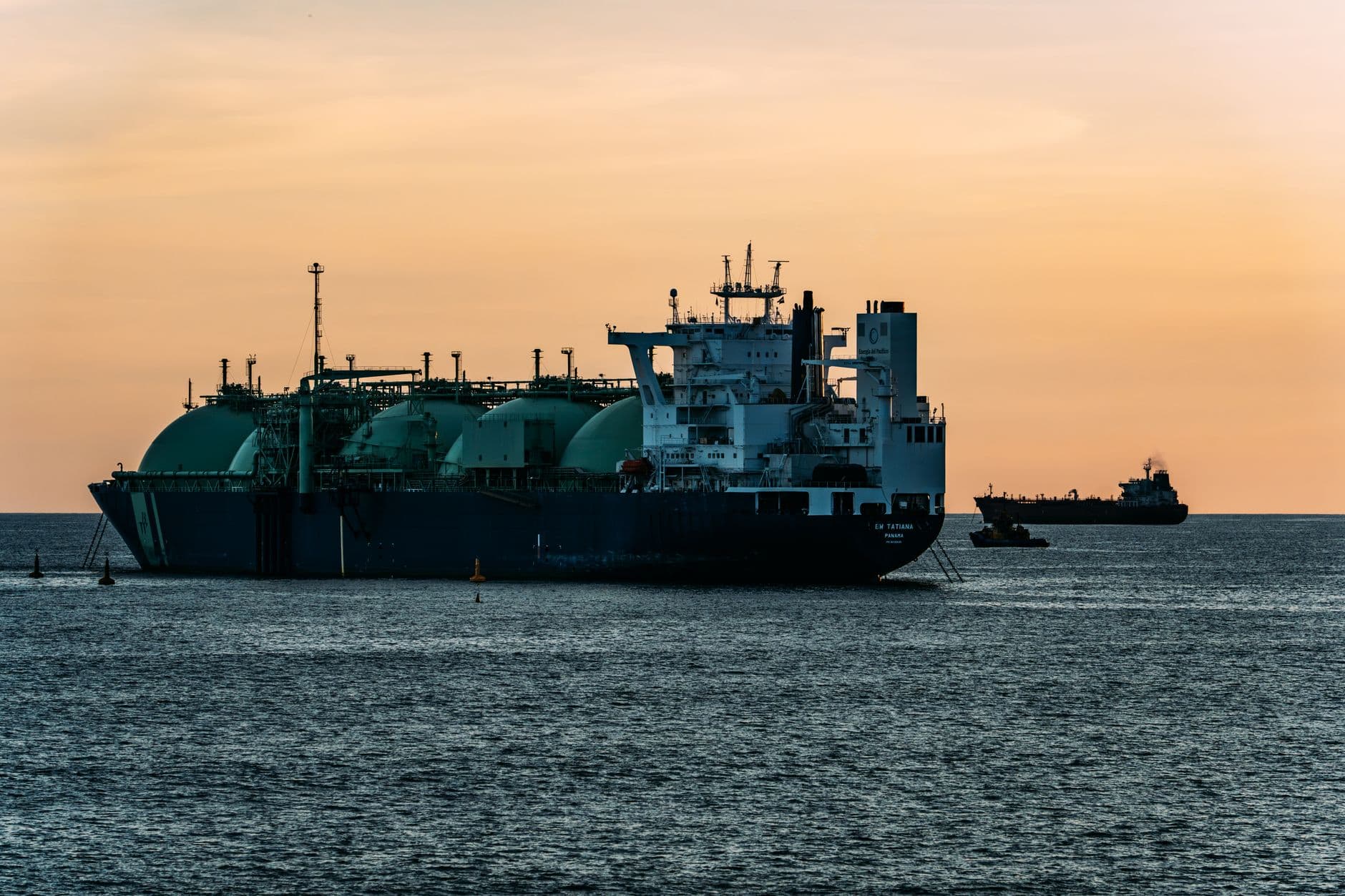
Кожні кілька місяців хтось запитує мене, яка найбільша компанія з перевезення ЗПГ, очікуючи назви. Я навчився ставити питання у відповідь, тому що в газових перевезеннях чесна відповідь повністю залежить від того, що ви маєте на увазі під "найбільшим", а три розумні визначення дають трьох різних переможців. Це не ухилення. Це найкорисніше, що можна зрозуміти про те, як організована ця торгівля.
У танкерах для перевозки сирої нафти право власності та контроль переважно йдуть разом, тому рейтинг, опублікований нами для найбільші танкерні судноплавні компанії у 2026 році, міг спиратися на дедвейт і дати чіткий порядок. З газом справи йдуть інакше. Проект зрідження газу підписує контракти на викуп протягом 20 років перед тим, як буде закладено перший камінь, кораблі замовляються за цими контрактами, а судно часто перебуває в спільній компанії, де оператор володіє міноритарною часткою, а керуючий є четвертою стороною. Запитайте, хто володіє кораблем, і ви отримаєте один список. Запитайте, хто контролює, куди він пливе, і ви отримаєте інший.
Тому цей рейтинг організовано навколо цього факту, а не навколо нього. Нижче наведені компанії, які лідують за кожним показником, що насправді контролює кожна з них, і чому чартеру має бути байдуже, в якому стовпці з’являється ім’я.
Nakilat: найбільший власник
За кількістю суден у власності Nakilat з Катару є найбільшим судновласником танкерів СПГ у світі, маючи флот із 69 танкерів СПГ. Nakilat Склад флоту розповідає про його призначення: 24 звичайні танкери, 31 судно Q-Flex місткістю від 210 000 до 217 000 кубічних метрів та 14 суден Q-Max місткістю від 263 000 до 266 000 кубічних метрів, згідно з результатами компанії за перший квартал 2026 року.
Класи Q-Flex і Q-Max є причиною того, що Nakilat виглядає незвично на діаграмі. На противагу сучасним стандартам будівництва об'ємом приблизно 174 000 кубічних метрів, Q-Max перевозить приблизно вдвічі більше газу за рейс, а 45 кораблів із 69 Nakilat належать до цих двох великогабаритних класів. Вимірюючи за вантажопідйомністю, а не за кількістю корпусів, розрив між Nakilat та іншими значно більший, ніж свідчать цифри суден.
Книга замовлень — це ще більш вражаюча цифра. Nakilat має 40 суден на замовлення, серед них 9 кораблів QC-Max об'ємом 271 000 кубічних метрів, що будуються на Hudong-Zhonghua у Китаї для QatarEnergy і описані як найбільші в історії СПГ-танкери. Замовлення, вартість якого перевищує половину існуючого флоту, не є оновленням. Це тоннаж, замовлений під конкретне розширення експорту, і він прибуде незалежно від того, чи захоче його спотовий ринок.
MOL: найбільший оператор
Змінено показник на судна під оперативним управлінням, і лідер змінився. Mitsui O.S.K. Lines керує найбільшим експлуатованим СПГ-флотом, маючи 107 суден під своїм оперативним контролем станом на грудень 2025 року, порівняно з 51 у січні 2023 року. LNG Prime
Збільшення операційного флоту більш ніж удвічі менш ніж за 3 роки — це не те, чого можна досягти, замовляючи кораблі, адже газовоз будується роками. Це досягається шляхом зайняття позицій у проєктних компаніях та спільних підприємствах під час їхнього формування, саме так японські оператори зростали десятиліттями. Наслідком для будь-кого, хто читає рейтинг, є те, що 107 суден MOL і 69 суден Nakilat — це не ті самі показники, і додавання їх до однієї турнірної таблиці було б помилкою класифікації.
NYK Line належить до тієї ж традиції та йде слідом, маючи 96 експлуатованих СПГ-танкерів станом на кінець березня 2026 року. LNG Prime Разом ці дві японські компанії мають операційний зв'язок приблизно з 200 газовими танкерами, що є концентрацією технічного управління, яка привертає дуже мало уваги порівняно з заголовками про власність.
Обидві цифри заслуговують на позначку дати, а не десяткової крапки. Кількість угод змінюється в момент входження в спільне підприємство, а не під час постачання судна, і NYK продовжує займати позиції в нових перевізних компаніях до 2026 року. Розглядайте ці два числа як мінімуми на вказані дати, а не як поточний рейтинг.
Shell: найстрімкіший зростаючий, і зовсім не власник у звичному розумінні
Найбільш драматичний рух у цьому рейтингу за 3 роки належить компанії, яка не є перш за все судновласником. Станом на початок 2026 року Shell експлуатувала 65 СПГ-танкерів, проти 25 на початок 2023 року. Shell
Це зростання відображає портфельну стратегію, а не судноплавну. Енергетична компанія з вантажами в багатьох місцях і клієнтами в багатьох інших потребує гнучких тоннажів, і вона забезпечує це переважно через тайм-чартери, а не володіючи сталевими конструкціями. Кораблі в оперативному флоті Shell переважно належать іншим людям. Shell контролює, куди вони прямують, що для трейдингового бізнесу є найважливішою частиною.
Підхід все ще триває. Shell підписала контракти ще на 4 перевізники об'ємом 175 000 кубічних метрів і прийняла в експлуатацію судно, орендоване у Knutsen, що є мініатюрною версією моделі: нові судна потрапляють під її контроль, не відображаючись у її балансі як власна сталь.
Це найпоширеніший спосіб, яким рейтинги ЗПГ вводять читача в оману. Фрахтувальник, який контролює 65 суден, є більшою силою на ринку, ніж власник 30 суден, усі з яких законтрактовані на один проєкт на 20 років, хоча власник виглядає більш значущим у таблиці власності. Якщо ви намагаєтеся з'ясувати, хто фактично може доставити вантаж наступного кварталу, позиція фрахтувальника говорить вам більше, ніж баланс.
Спеціалісти, що стоять за лідерами
Під головною групою розташовуються оператори, чиї флоти менші, але чиї позиції варті уваги.
- Maran Gas Maritime. Близько 40 СПГ-танкерів, що входять до групи Angelicoussis, яка також володіє значним флотом танкерів для перевезення сирої нафти. Компанія отримала 2 судна об'ємом 174 000 кубічних метрів у квітні 2026 року і ще 13 перебувають на замовленні. Приватний грецький власник такого масштабу в газовому секторі є незвичним, і він конкурує за ті самі довгострокові чартери, яких прагнуть власники, що входять до біржових списків.
- MISC Ber
- COSCO Shipping Energy. 24 СПГ-танкери в експлуатації та портфель замовлень ще на 28 одиниць, підтверджений на засіданні правління у травні 2026 року. Кількість суден у замовленні перевищує кількість суден в експлуатації, що свідчить про намір розширюватися, а не замінювати, і якщо ці поставки відбудуться вчасно, компанія, більш відома танкерами для сирої нафти, стане провідним оператором газу протягом 2 років.
- Судна для перевезення чистої енергії. Оператор, підтримуваний родиною Марінакіс, заявляє про себе як про найбільшу американську компанію з перевезення СПГ, маючи 14 діючих суден і 7 на замовленні. Ця компанія невелика порівняно з лідерами, але її варто спостерігати, оскільки публічна компанія надає ринку видиму ціну за ці вантажі в галузі, яка в іншому випадку переважно приватна або пов'язана з державою.
Рейтинги поруч
| Компанія | СПГ-перевізники | Основа | Важливі |
|---|---|---|---|
| MOL | 107 | Операційний контроль, грудень 2025 | Зростання з 51 у січні 2023 року |
| NYK Line | 96 | Операційний, кінець березня 2026 року | Включає участь у спільних підприємствах |
| Накилат | 69 | Власне | 45 з них Q-Flex або Q-Max; 40 на замовлення |
| Оболонка | 65 | Експлуатація, початок 2026 року | Переважно орендовано, а не у власності |
| Маран Газ | ~40 | Власне | 13 на замовленні; 2 доставлено квітень 2026 |
| MISC Berhad | 32 | Володіння/керування, травень 2026 року | ~2.7 млн м³; 7 в замовленні до 2028 року |
| COSCO Shipping Energy | 24 | В роботі | 28 до 2028 року |
| Столична чиста енергія | 14 | Активний флот | 7 в замовленні; найбільша компанія, що котирується у США |
Прочитайте спочатку стовпець "Basis", а потім стовпець "Vessel". Два з чотирьох перших чисел описують операційний контроль,
Чому проблема підрахунку є складнішою в газі, ніж деінде
Три особливості цієї торгівлі роблять підрахунок суден незвичайним, і це ті самі особливості, що роблять танкерні перевезення стабільними.
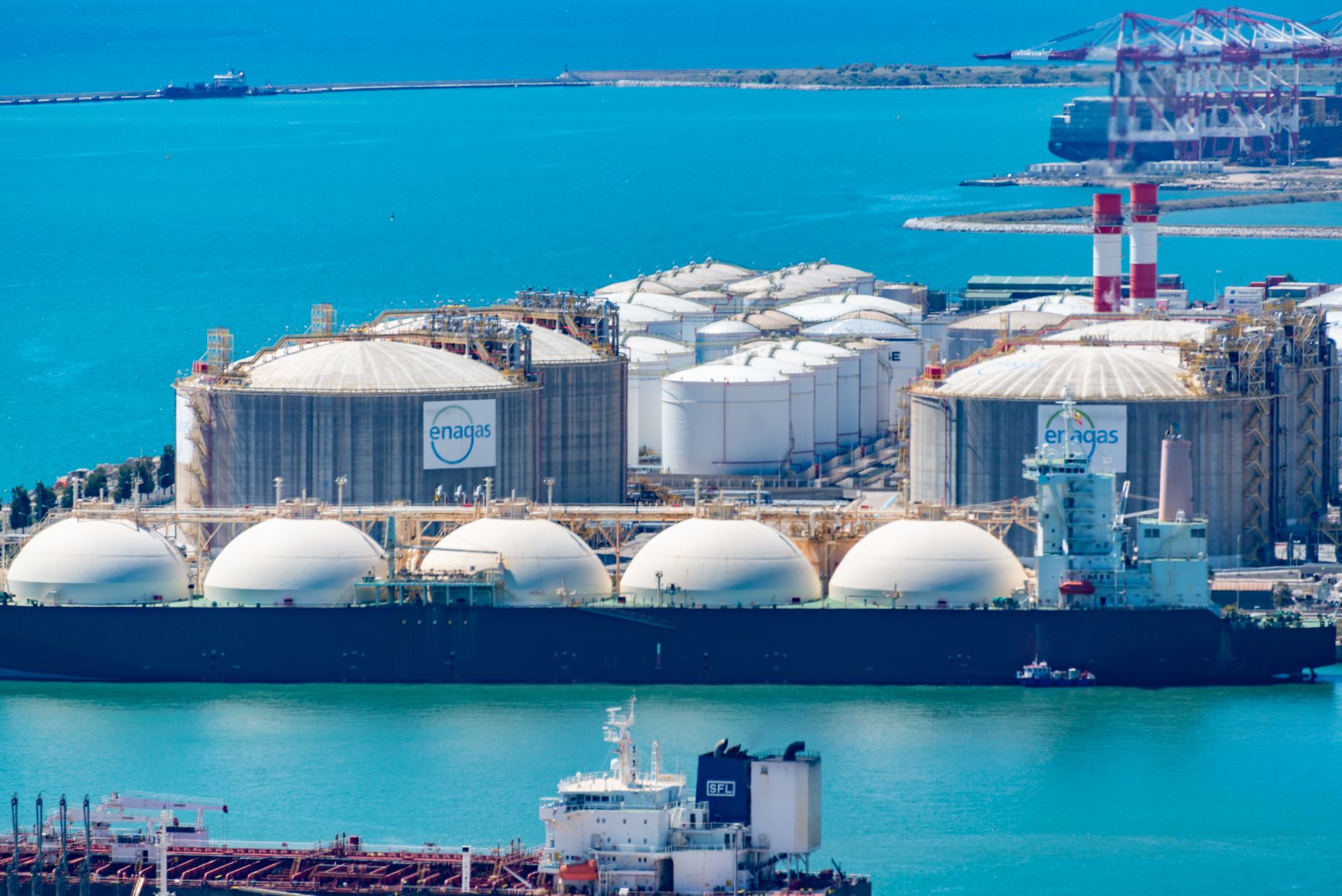
Кораблі прив'язані до проектів. Перевізник, замовлений проти установки для зрідження, зобов'язаний на весь термін дії контракту на відбір, часто 20 років, тому великий власний флот може представляти майже відсутню доступну потужність. Коли мені потрібно було зрозуміти, який тоннаж насправді доступний, список флоту був майже марний, а графік закінчення терміну фрахтування був усім.
Власність навмисно фрагментована. Фінансування проєкту розподіляє судно між кількома власниками, а це означає, що один і той самий корабель може бути врахований більш ніж однією компанією у кількох прес-релізах, і кожен з них буде точним. Підсумуйте набір опублікованих показників флоту, і ви отримаєте подвійний підрахунок.
Ємність варіюється більш ніж на третину між класами. Стандартний танкер об'ємом 174 000 кубічних метрів та Q-Max об'ємом 266 000 кубічних метрів — це обидва один корабель. Підрахунок корпусів розгляда
Що слід винести чартеру з цього
Якщо ви укладаєте контракт на транспортування газу, а не читаєте рейтинги заради інтересу, то зі структури вище випливають певні наслідки.
- Запитуйте, хто керує судном, а не хто ним володіє. Контрагентом, який може залучити тоннаж, є оператор або фрахтувальник, а на судно, орендоване за фрахтовою угодою, це не зареєстрований власник.
- Розглядайте книгу ордерів як ваш прогноз поставок. Оскільки Nakilat прямує до 112 суден, а COSCO має 28 на замовленні, значний обсяг потужностей буде введений в експлуатацію до 2028 року, і ці судна були замовлені за контрактами, а не під спотову потребу.
- Перевірте положення щодо палива та викидів конкретного судна. Вартість дотримання правил тепер варіюється від судна до судна, і сучасний двотактний перевізник і старіший паротурбінний – це різні пропозиції під час європейського рейсу.
- Подивіться на технічного менеджера. Оскільки японські оператори керують приблизно 200 суднами, операційний запис, який ви купуєте, часто належить менеджеру, чиє ім'я відсутнє у чартер-парті.
The emissions point is not a footnote for gas carriers specifically, because they burn part of their cargo. European carbon costs already apply to voyages touching the bloc, and we set out how those are billed and audited in the guide to the EU ETS shipping surcharge. The global picture is less settled: the IMO framework that would put a price on marine fuel intensity worldwide has been deferred rather than adopted, and our buyer's guide to the IMO net-zero framework explains what is and is not in force.
Куди далі рухатиметься флот
У торгових книгах щодо газу видно два напрямки. Перший — це масштаб: судно класу QC-Max об'ємом 271 000 кубічних метрів штовхає верхню межу того, чим може бути газовий перевізник, і судна такого розміру мають сенс лише на довгих маршрутах з великими обсягами та терміналами, побудованими для їх прийому. Другий — це перерозподіл: китайські верфі будують для власників з усього ринку, включно з найбільшою катарською програмою, що зміщує місце будівництва цього тоннажу, навіть якщо це не змінює того, хто ним керує.
Третій фактор ле
Для тих, хто стежить за ширшою картиною суден, цей сегмент тепер розміщується поряд з іншими рейтингами в серії: сухий налив, автомо та контейнерні судна та лінії. Газ — це той сегмент, де розрив між таблицею власності та таблицею контролю є найбільшим, і саме він найбільше введе в оману, якщо читати лише першу.
Показники флоту базуються на даних компаній та галузевих звітах на зазна