
Alexander Petrunin
レガシーアトリビューション
このアーカイブは、歴史的な著者ラベルをまとめたものです。編集プロセスでは、人物特定と著者資格は確認されていません。
記事
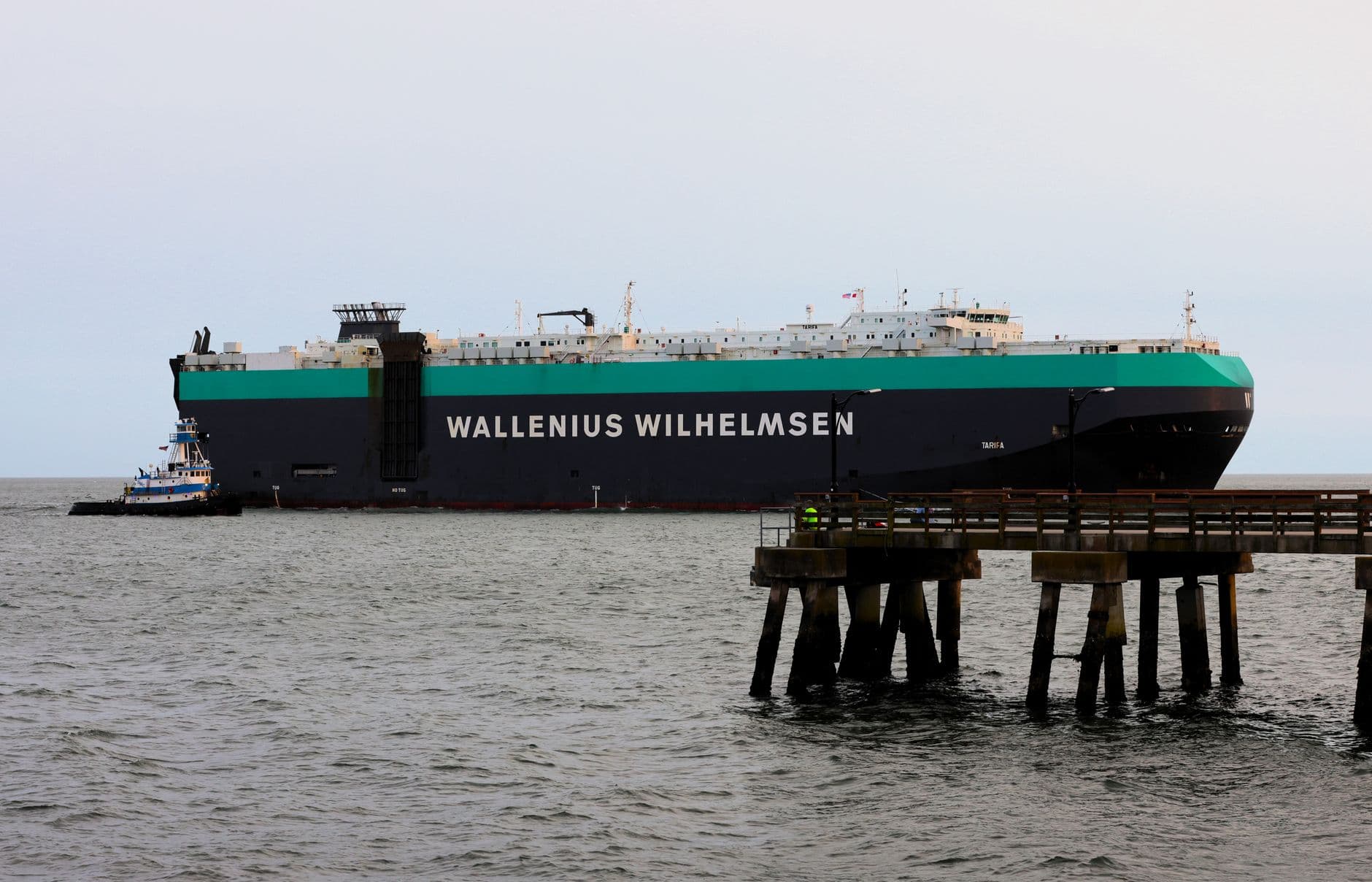
2026年にサウジアラビアへの中古車輸入:5年ルール、SABER、RORO
2026年に中古車をサウジアラビアおよびGCC諸国へ輸送するための貨物デスクガイド:5年間の年式制限、左ハンドルおよびEuro 6b仕様、SABER適合証明書およびSASOエネルギー評価、関税・VAT計算例、そして実際のジェベル・アリからダンマームまでのROROレーン。

MCPとERPの連携:SAP TM、Oracle、NetSuiteへの貨物予約の書き戻し
貨物MCPシリーズ・パート4:エージェントが配船を予約すると、その予約は記録システムに反映されなければなりません。SAP TM、Oracle、NetSuiteへの貨物予約の書き戻し、それぞれのオブジェクトモデルマッピング、二重予約を引き起こす冪等性の罠、スコープ付きサービスID、そして台帳をクリーンに保つためにマーケットプレイスMCPが公開しなければならないものに関するベンダーニュートラルな参照フロー。
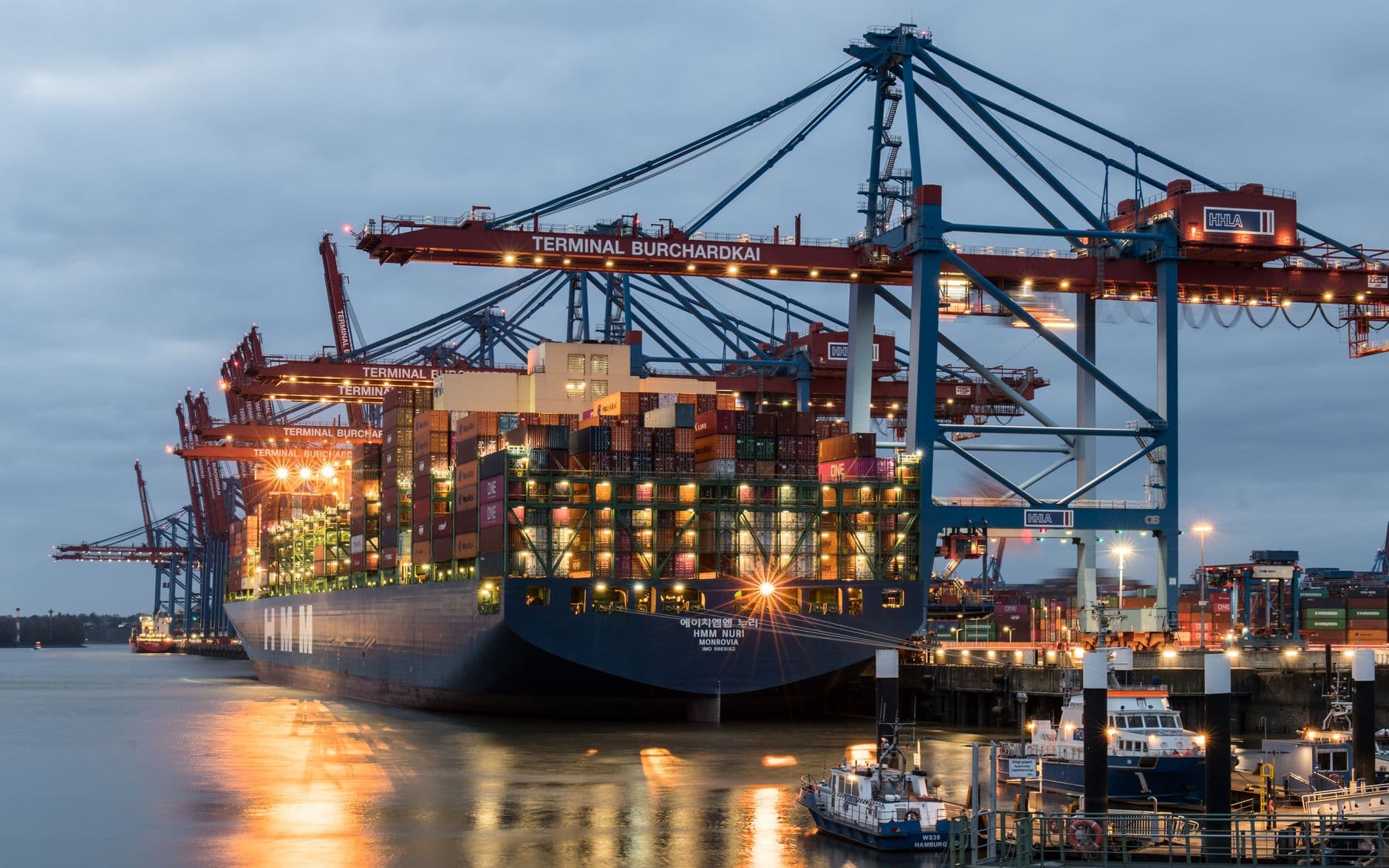
SABERを超えたGCC適合:ECAS、SASO、Gマーク、そして誰がどれを必要とするか
SABERはサウジアラビアのみに対応しており、それ以外は対象外です。湾岸諸国における適合性をベンダーニュートラルなマップで解説:SABER (SASO) 対 ECAS、Emirates Quality Mark (MoIAT) 対 GCC全域のG-Mark (GSO)、さらにSFDAの製品カテゴリーの落とし穴を、1つのマトリックスと出荷前チェックリストで。

Freight MCPサーバーのセキュリティ確保:OAuth 2.1、ツールポイズニング、および公開インスタンス
貨物MCPシリーズのパート3:エージェントが実際の荷物を予約できるようになると、どのようにして間違ったものを間違った人に予約するのを防ぐことができるでしょうか?読み取りと書き込みに分割されたベンダーニュートラルなセキュリティモデル、書き込みツール用のPKCEを備えたOAuth 2.1、ツールポイズニングと露出インスタンスの問題、そして単一の運送業者はスキップできるがマーケットプレイスサーバーは強制しなければならないこと。

2026年7月より新EAEU関税規則:カザフスタン、ロシア、および連邦への輸送
2026年7月1日より、EAEUは越境eコマースに明確な税関制度(EEC理事会決定)を導入します。1回の配送あたり200ユーロの閾値は維持されますが、それを超える場合、小包には5%の関税(最低1ユーロ/kg)と、各国規則に基づくVATが課されます。カザフスタンのVATは現在16%です。運用上の読み解きは以下の通りです。国境で誰が支払うのか、DDPとDAP、そしてなぜ組合側倉庫が優位性となるのか。

2026年の貨物MCPサーバー:ワープ、CargoMART、そしてマーケットプレイスサーバーが公開すべきもの
2026年に実際に稼働した貨物MCPサーバー(Warp、CargoMART、freightutils、Easyship)のサイドバイサイド分解:ツールサーフェス、予約が制限される場所、見積もり有効期限の罠、stdio対ホストHTTP、およびマルチキャリアマーケットプレイスサーバーが公開する必要があるもの。
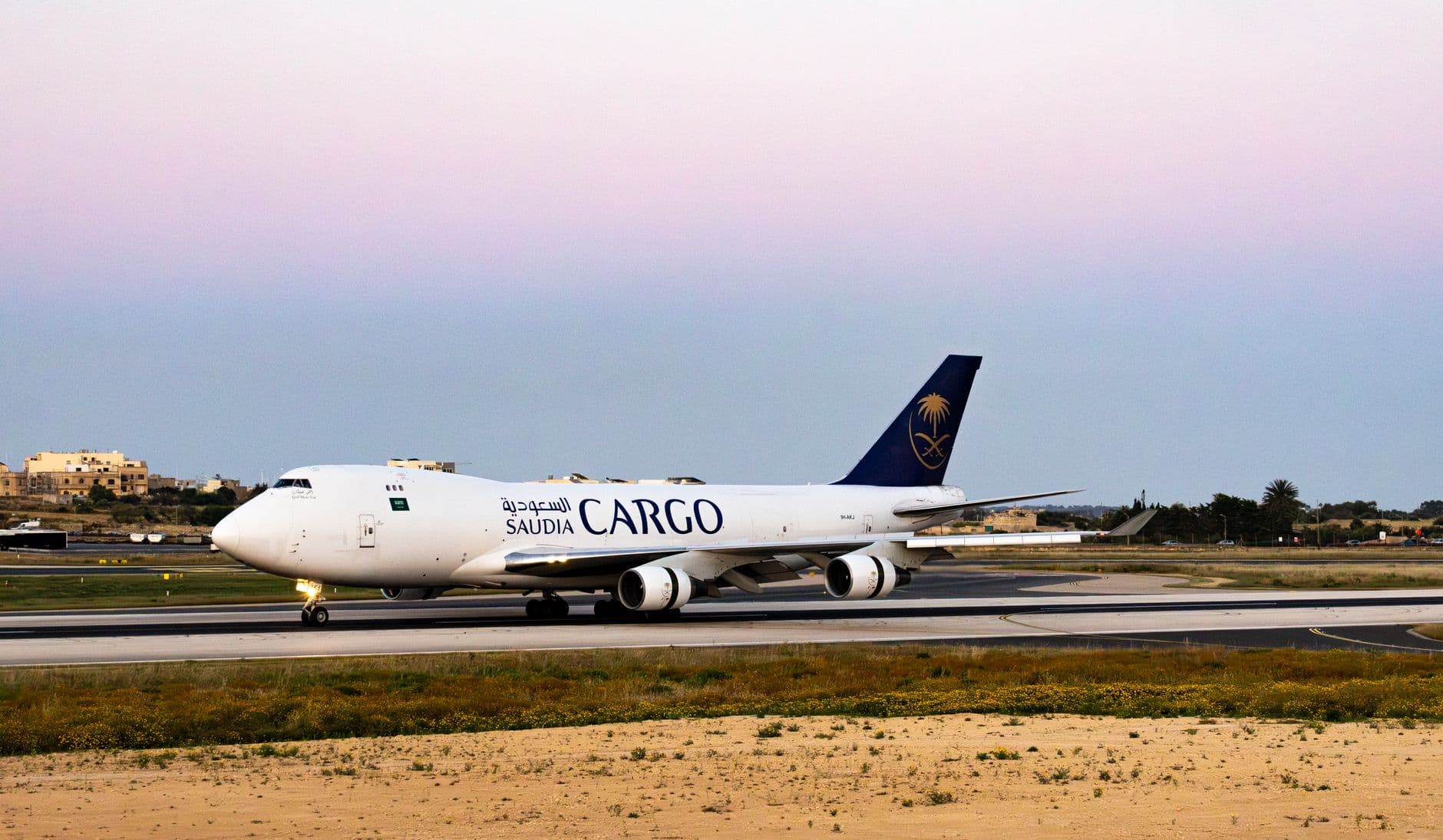
SABER & FASAH 解説:サウジアラビア輸入認証の手順
2025年10月以降、SABER証明書なしでサウジアラビアの税関を通過する出荷はありません。SABERとFASAHの連携方法、PCoCとSCoCの違い、ステップバイステップのプロセス、2026年のHSコード変更、および証明書が却下される主な理由について説明します。
ロジスティクスにおけるMCP:AIエージェントと貨物APIの連携方法
オープンスタンダードにより、AIエージェントが単一のAPI連携で貨物の見積もり、予約、追跡を行えるようになりました。MCPの仕組み、最小限のサーバー例、2026年時点での運用、そしてセキュリティ維持の方法について説明します。
Portugal Freight Transport Trends and Logistics
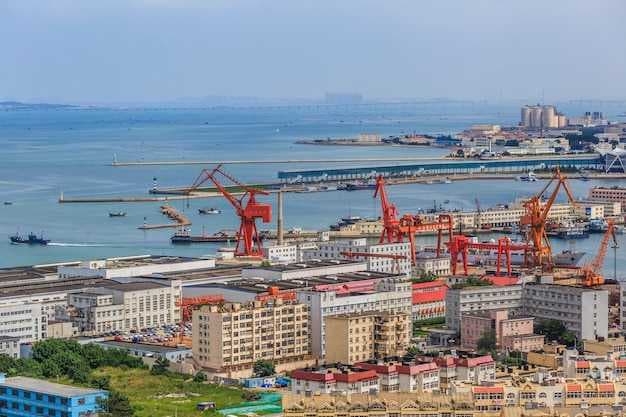
Portugal’s freight transport sector is undergoing a transformation driven by globalization, e-commerce growth, and strategic investments in port infrastructure. The country’s Atlantic edge, access to the Iberian Corridor, and proximity to both European and African markets position it as a key node in multimodal supply chains. In recent years, ports such as Port of Lisbon , Port of Leixões , and Port of Sines have expanded capacity, diversified cargo profiles, and improved hinterland connections to support containerized, bulk, and Ro-Ro traffic. Shifts toward intermodal solutions are accelerating, aided by ongoing TEN-T corridor enhancements, improved rail-first shipping lanes, and
Freight Transport in Portugal Trends and Logistics
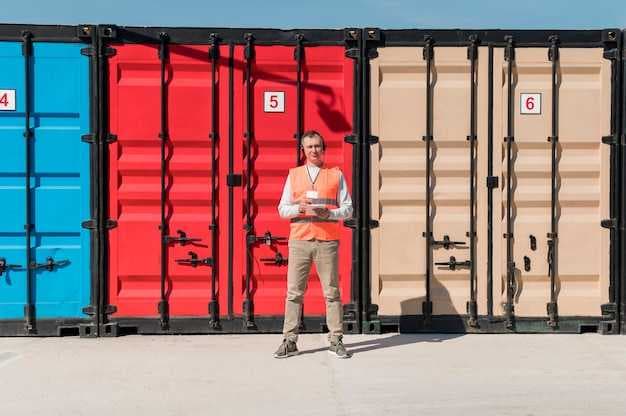
Portugal’s freight transport landscape is undergoing rapid change driven by port expansion, intermodal development, and digital logistics tools. Strategic coastal access and enhanced inland connections position the country as a pivotal gateway for Iberian and Atlantic trade, integrating regional supply chains with broader European networks. The Port of Sines , the Port of Leixões , and the Port of Lisbon form the backbone of the national hub system, each expanding capacity for containers, bulk goods, and energy cargo. Sines’ deep-water facilities enable larger vessels and broader trade lanes, while Leixões and Lisbon upgrade terminals to speed up cargo handling and intermodal transfers.

Portugal's freight transport system combines strong maritime gateways with growing road and rail capacity. Maritime corridors are pivotal for international trade, while road networks handle the majority of domestic and regional freight movements. The sector shows a trend toward modal balance, efficiency gains, and digitalization to reduce transit times and costs. Port hubs at Sines and Leixões anchor much of the country's container and bulk logistics, complemented by the Lisbon area logistics zone. Investments in port capacity, hinterland connections, and multimodal terminals enable faster transfer from ships to rail and road, supporting just-in-time supply chains and regional distribution.

Transport services in Portugal provide a comprehensive network that links urban centers, regional towns, and coastal resorts through efficient rail, road, air, and urban mobility options. The system prioritizes connectivity, reliability and safety for residents and visitors alike. The rail network is led by CP – Comboios de Portugal , offering Alfa Pendular high-speed services between Lisbon and Porto, as well as Intercidades and regional routes that reach the Algarve, the north, and the interior. This network provides daily, frequent connections for business and tourism, with modern trains, comfortable seating, and onboard Wi‑Fi on main lines. Urban and metropolitan transport includes