


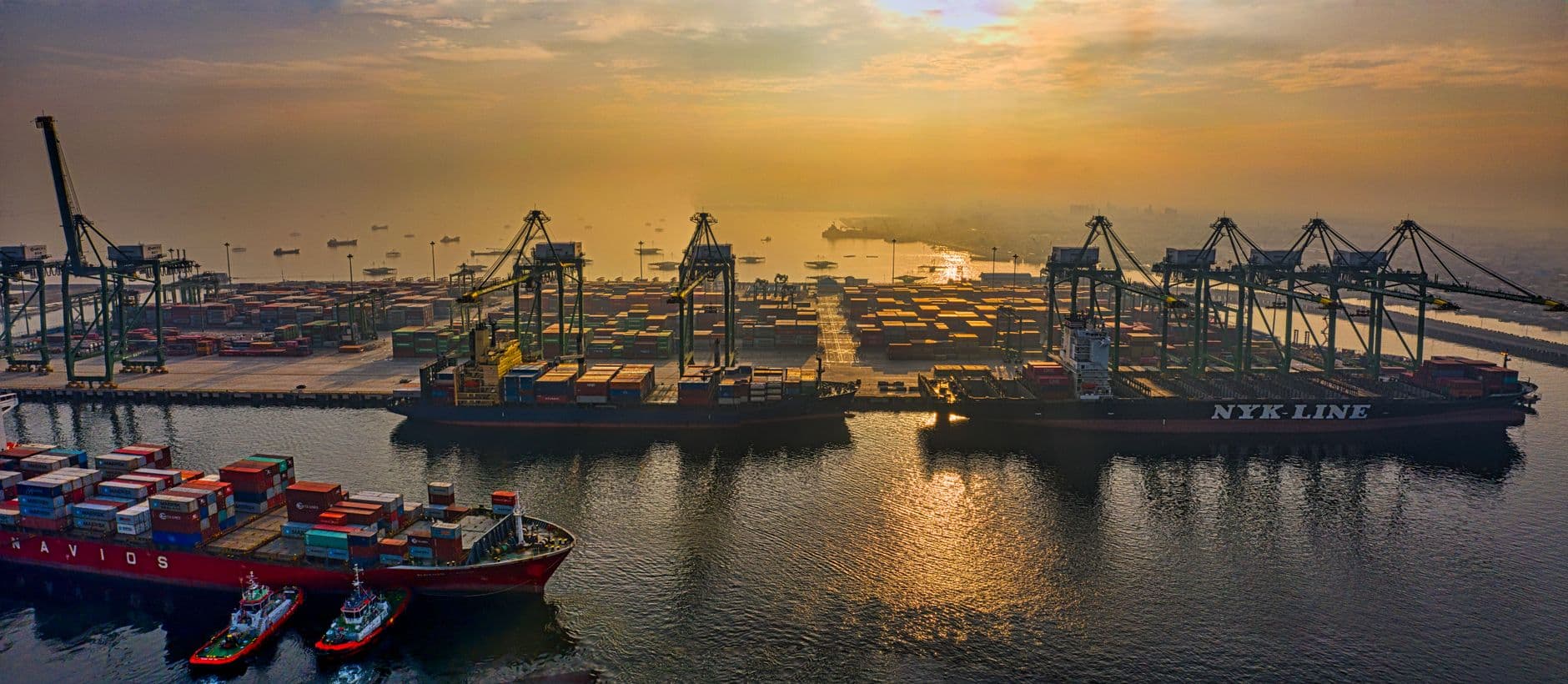
Азія обробляє більшу частину світового контейнерного трафіку, а один Шанхай у 2024 році перевалив 51,51 мільйона TEU, ставши першим портом у світі, що перевищив 50 мільйонів. Сінгапур посів друге місце з 41,12 мільйона TEU, Нінбо-Чжоушань — з 39,3 мільйона, а наступні чотири місця в списку також посіли китайські порти. За обсягами це не конкуренція. Це розгром, і глобальний рейтинг за TEU підтверджує те саме з іншого боку, оскільки більшість його топ-десятки розташовані в цьому регіоні.
Саме тому рейтинг сам по собі майже нічого корисного не дає. Два порти, що розділені одним місцем у таблиці, можуть поводитися як абсолютно різні бізнеси, і я бачив, як відправники обирали більший показник, а потім дивувалися, чому їхні ящики простоювали. Питання, яке має значення для прийняття рішення про маршрут, полягає не в тому, скільки TEU нараховує порт. Важливо, скільки з цих TEU коли-небудь покидають термінал вантажівкою чи потягом.
Найбільші порти Азії у 2026 році, рейтинг
Наведені нижче цифри відображають обсяги контейнерних перевезень за повний 2024 рік, останній повний рік, коли кожен порт у таблиці звітував на порівнянній основі. Порти подають обсяги за календарний рік у різний час, тому змішування часткових даних за 2025 рік у рейтингу створює хибний рух. Верх таблиці ближчий, ніж передбачає річний підсумок: за щомісячними оцінками на травень 2026 року Сінгапур короткочасно випередив Шанхай як найжвавіший контейнерний порт у світі, не ставлячи під загрозу річний результат.
| # | Порт | Країна | 2024 TEU | Основна роль | Що приховує число |
|---|---|---|---|---|---|
| 1 | Шанхай | Китай | 51.51 мільйона | Хаб з перевантаженням | Глибоководні термінали Яншань приймають найбільші кораблі, тоді як прирічкові причали — ні. |
| 2 | Сінгапур | Сінгапур | 41,12 мільйона | Перевалка | Близько 90 відсотків коробок є транзитними, а не торговими операціями Сінгапуру. |
| 3 | Нінбо-Чжоушань | Китай | 39.3 million | Шлюз | Grew about 11 percent in 2024 and leads the world on cargo tonnage |
| 4 | Shenzhen | Китай | 33.4 million | Шлюз | Yantian, Shekou and Chiwan are separate operations with separate queues |
| 5 | Qingdao | Китай | 30.9 million | Шлюз | Strong rail connection inland, unusual for the region |
| 6 | Guangzhou | Китай | 26.1 million | Шлюз | Heavily domestic and coastal feeder traffic |
| 7 | Пусан | Південна Корея | 24.4 million | Transshipment and gateway | Roughly half the volume is transshipment |
| 8 | Tianjin | Китай | 23.3 million | Шлюз | Serves Beijing and the northern industrial belt |
| 9 | Джебель-Алі | Об'єднані Арабські Емірати | 15.5 million | Transshipment and gateway | Ninth in the world in 2024, and the Gulf ports are covered separately |
| 10 | Port Klang | Malaysia | 14.6 million | Перевалка | Competes directly with Singapore on relay cargo |
| 11 | Гонконг | Китай | 13.7 million, then 12.99 million in 2025 | Перевалка | Was the world's busiest port in 2004 and is still falling |
| 12 | Tanjung Pelepas | Malaysia | 10.5 million | Перевалка | 92.7 percent transshipment, so alliance decisions move the whole number |
| 13 | Kaohsiung | Тайвань | Around 9 million | Шлюз і перевантажувальний пункт | Volume sensitive to cross-strait routing decisions |
| 14 | Laem Chabang | Таїланд | Around 9 million | Шлюз | Road-dependent, one congested corridor to Bangkok |
| 15 | Colombo | Шрі-Ланка | Around 8 million | Перевалка | Handles a large share of Indian relay cargo |
| 16 | Mundra | Індія | Around 7 million | Шлюз | India's largest container port, privately operated |
Gateway or transshipment decides everything
A gateway port serves a hinterland. Boxes arrive by sea and leave by road, rail or barge toward factories and shops, so the port's real capacity is set by its gates, its rail sidings and the motorway outside. Ningbo-Zhoushan, Tianjin and Mundra work this way.
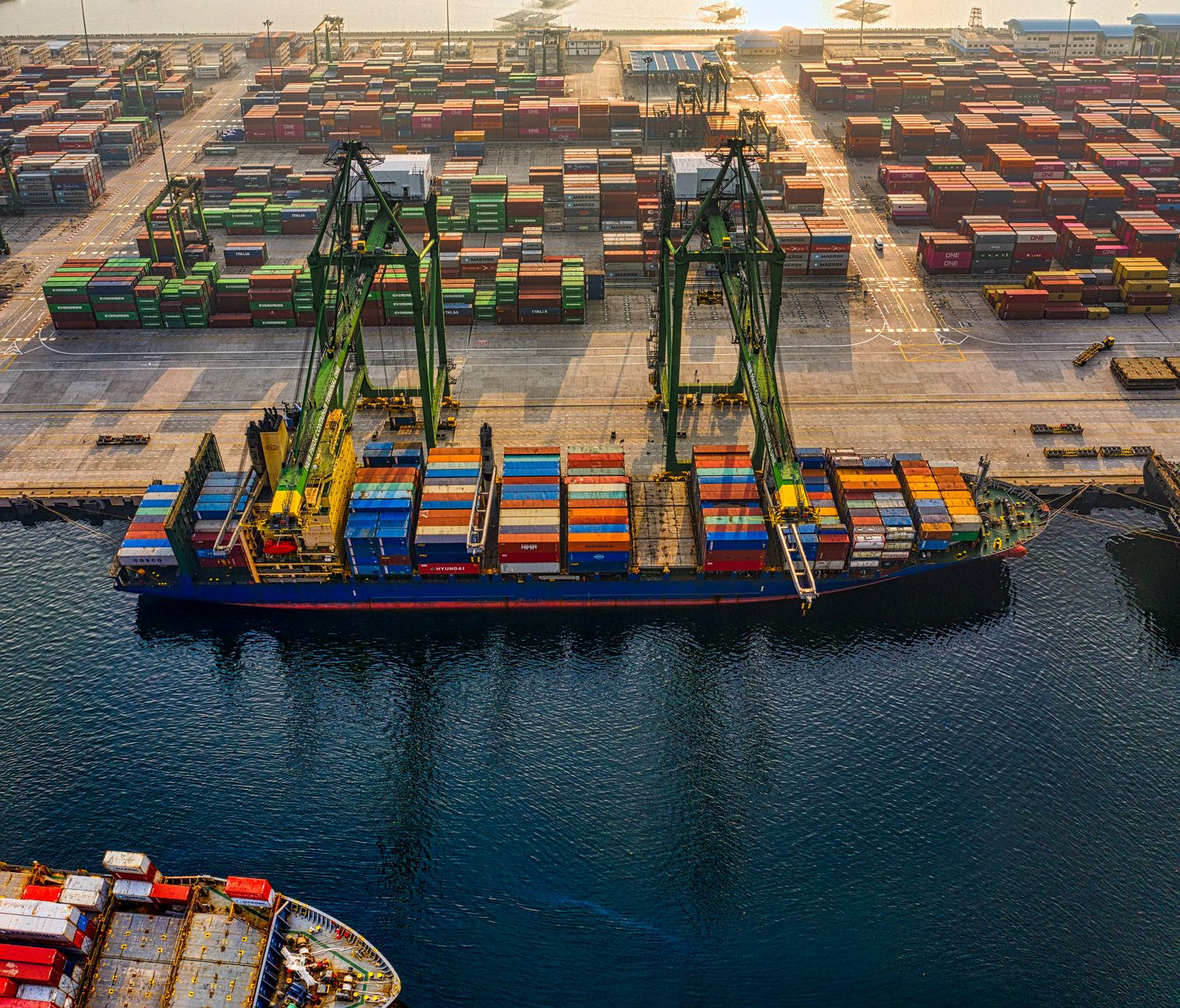
A transshipment hub serves other ships. Boxes arrive, wait on the stack, and leave on a different vessel, often to a smaller feeder port. Singapore, Colombo and Tanjung Pelepas are built for this, with quay cranes and yard density rather than gate throughput as the binding constraint.
The practical difference shows up in how each port fails. When a gateway port congests, containers pile up on the landside and your cargo is stuck in a yard you can at least drive to. When a hub congests, your box misses a connection and the delay is measured in whole sailing schedules, because the next ship to your destination may be a week out. I have seen a 2 day berthing delay at a hub turn into 11 days of transit time, and nothing in the TEU ranking predicts that. To be fair to the hubs, efficiency studies in regions such as the Mediterranean find that pure transshipment ports often score better than gateway or hybrid ports on throughput measures, so what I am describing is schedule risk rather than weak operation.
This is also why Singapore sitting second is slightly misleading in a list about Asian trade. A large share of what Singapore counts is cargo that was never destined for Singapore. Count only boxes that cross a national border on a truck and the picture rearranges completely, which is the same distinction that reorders the African ports ranking.
Hong Kong is the warning the ranking contains
Hong Kong was the busiest container port in the world in 2004. It recorded 13.7 million TEU in 2024, outside the top ten, and has been passed by Shenzhen, Guangzhou, Qingdao and Tianjin. No single event did that. Mainland Chinese ports built their own deep-water capacity, customs procedures improved at those ports, and the reason to relay cargo through Hong Kong quietly disappeared.
What that history says to anyone planning capacity: a transshipment hub's volume belongs to its customers, not to the port. It exists because carriers find it convenient, and carriers change networks. Hong Kong fell again in 2025, to 12.99 million TEU, as the Gemini Cooperation network took shape and left it as the first significant casualty of that reshuffle. Port Klang and Tanjung Pelepas both carry that exposure today. When an alliance reshuffles its Asia to Europe strings, hub volumes move in six-figure TEU steps.
Where the growth actually is
The Chinese coastal cluster is close to structurally full at the top. Growth continues, but the interesting percentage changes are elsewhere:
- India. Mundra passed Nhava Sheva to become the country's largest container port, and Indian volumes are growing off a small base relative to population. A great deal of Indian cargo still relays through Colombo or Singapore rather than sailing direct.
- Vietnam. The Cai Mep deep-water cluster near Ho Chi Minh City now takes vessels that previously had to call elsewhere, which is what made China-plus-one sourcing physically workable rather than just a slide in a strategy deck.
- Sri Lanka. Colombo recovered from the 2022 economic crisis and is expanding, precisely because Indian relay demand keeps rising.
- Malaysia. Both Malaysian hubs continue to take share from Singapore on price, while Singapore holds the reliability premium.
- Thailand and Indonesia. Laem Chabang and Tanjung Priok are gateway-constrained rather than quay-constrained, so their ceiling is a road and rail question, not a crane question.
How to read this table for a real routing decision
When someone asks me which Asian port to route through, the TEU column is the last thing I look at. The order I actually use:
- Direct call or relay? A direct call at a smaller gateway usually beats a relay through a giant hub, because every transshipment adds a chance to miss a connection.
- Landside, not seaside. Ask about gate hours, truck turn times and whether rail exists at all. Qingdao's inland rail links do more for a Central Asian shipment than Shanghai's raw volume.
- Terminal, not port. Shenzhen is three main terminal groups and Shanghai splits between Yangshan and upriver berths. Booking says the port name, performance comes from the terminal, and landside cost then arrives as drayage and port dwell.
- Alliance exposure. If your hub depends on one alliance's network, put a note in your risk register with a date to review it.
- Draft and vessel size. The largest container ships can only call where depth allows, which is why deep-water projects change trade patterns more than throughput records do.
Вищевказаний рейтинг є справді корисним для одного: розуміння того, де знаходиться світове виробництво, і наскільки обмежений потенціал перших місць у таблиці. Для вантажу, який ви перевозите, менший порт з функціонуючим залізничним сполученням і передбачуваним терміналом зазвичай дозволить доставити ваш вантаж додому швидше.