


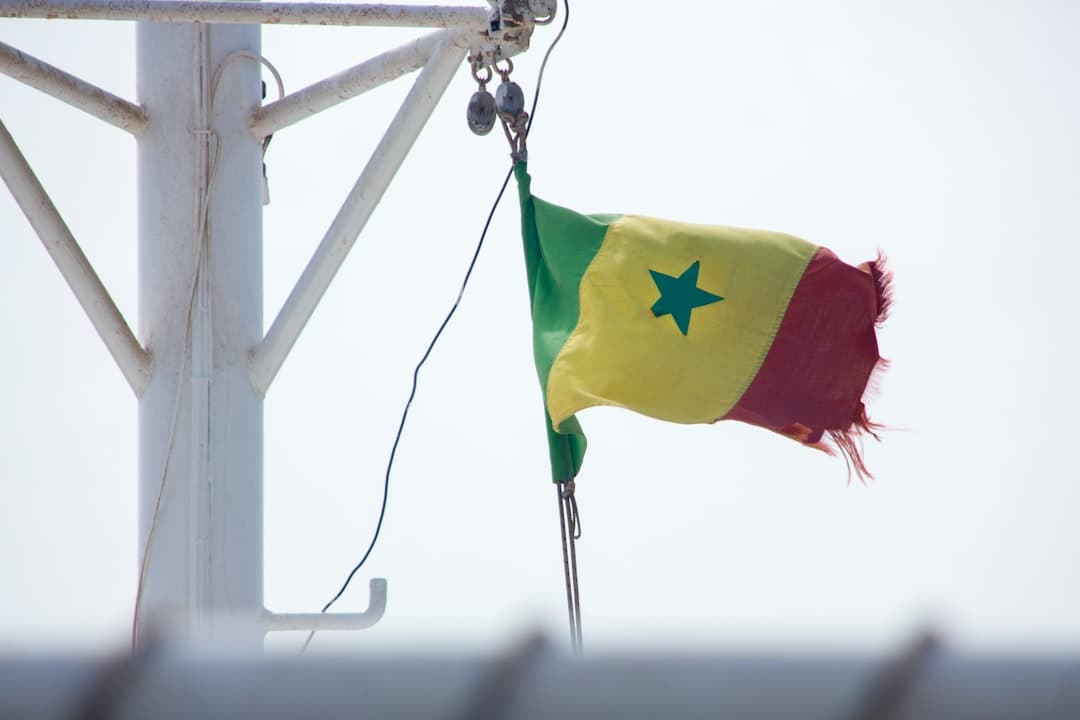
Le Libéria est le plus grand registre de navires au monde en 2026 et le premier à dépasser les 300 millions de tonnes de jauge brute, atteignant 307,3 millions le 8 juin 2026 selon les chiffres de Clarksons. Le Panama immatricule toujours beaucoup plus de navires individuels, 8 540 contre environ 5 000. Les deux faits sont vrais et répondent à des questions différentes.
La taille du registre est mesurée en jauge brute, un chiffre basé sur le volume, tandis que les listes de flottes sont généralement comptées en coques. Un registre peut être en tête sur l'une et en queue sur l'autre, ce qui s'est exactement passé ici. J'ai présenté les deux mesures ci-dessous, ainsi que le bilan du contrôle par l'État du port, car pour un affréteur, l'historique d'inspection d'un pavillon est plus important que sa position dans un tableau de taille.
Les plus grands registres de navires en 2026
| # | Registre | Jauge brute | Navires | Part de la capacité mondiale |
|---|---|---|---|---|
| 1 | Liberia | 307,3 millions de gt au 8 juin 2026, en hausse de 9,3 pour cent sur un an à cette date | Environ 5 052 | 17 pour cent, plus 28 pour cent du tonnage des nouvelles constructions |
| 2 | Panama | 244,3 millions de gt d'une part ; Lloyd's List a placé l'écart avec le Liberia à près de 45 millions de gt en novembre 2025, impliquant environ 255 millions | 8 540 au début de 2026 | 15,2 pour cent |
| 3 | Îles Marshall | 186 millions de gt | Environ 4 500 | 12,5 pour cent |
| 4 | Hong Kong | Quatrième par le tonnage | Pas comparable sur cette base | Rapporté séparément par Lloyd's List |
| 5 | Singapour | Cinquième en tonnage | Pas comparable sur cette base | Également une performance de premier ordre lors des inspections |
| 6 | Malte | Registre ouvert le plus grand de l'UE | Pas comparable sur cette base | L'un des 5 plus grands registres ouverts |
Les trois dirigeants contrôlent environ 45 % de la capacité mondiale de transport maritime à eux trois, et aucun des trois n'est une nation majeure de propriété de navires. Cette séparation entre la propriété des navires et leur immatriculation est la caractéristique déterminante du marché. La concentration de la propriété suit des lignes entièrement différentes, que nous avons exposées dans le classement de plus grandes flottes marchandes.
Le Liberia occupe la première place depuis 2023
Le Libéria a pris la couronne au Panama en 2023, mettant fin à une série d'environ trois décennies, et a creusé l'écart chaque année depuis. Le 8 juin 2026, il est devenu le premier registre de l'histoire à dépasser les 300 millions de jauge brute, atteignant 307,3 millions, et la croissance au cours des 12 mois précédents était de 9,3 %. Il s'agit d'une forte accélération : le chiffre équivalent au 1er novembre 2025 était de 3,2 %. Environ 17 % de part de marché se situent derrière le total, et le registre est resté dans les listes blanches de premier niveau des deux Mémorandums d'entente de Paris et de Tokyo sur le contrôle par l'État du port.
Deux chiffres expliquent d'où vient la croissance. Le Liberia représente désormais 28 % du tonnage mondial de nouvelles constructions, le registre gagnant ainsi des navires à la construction plutôt qu'en les débauchant en milieu de vie. Il est également en tête en termes de port en lourd, avec 447 millions de tonnes de port en lourd début 2026 selon les données de la CNUCED, ce qui confirme que le leadership en tonnage n'est pas le fruit d'une seule mesure. Un registre remporte cette activité grâce à la rapidité de traitement, la reconnaissance des hypothèques et le coût des droits annuels sur le tonnage, et non par tradition maritime.
Le Panama mène en nombre de coques, et les chiffres divergent
Le registre panaméen a déclaré 8 540 navires au début de 2026, contre 5 052 pour le Libéria, mais le même registre apparaît comme 4 900 navires totalisant 244,3 millions de jauge brute sur un autre décompte. Les deux chiffres circulent dans les rapports de 2026, et la différence n'est pas une erreur. Les décomptes varient selon le seuil de tonnage, selon que les navires de pêche et les petits navires nationaux sont inclus, et selon la date d'extraction.
Les chiffres de tonnage divergent de la même manière, et l'écart dépend de l'estimation panaméenne que l'on choisit. Contre 244,3 millions de gt, les 307,3 millions du Libéria laissent une marge de 63 millions. Contre les quelque 255 millions implicites dans la lecture de Lloyd's List de novembre 2025, la marge est d'environ 52 millions. Dans un cas comme dans l'autre, l'avance s'est creusée depuis fin 2025, lorsqu'elle était de près de 45 millions.
Le point essentiel à retenir : la flotte panaméenne est orientée vers des tonnages plus petits et plus anciens, ce qui explique pourquoi elle peut être en tête pour les coques tout en étant largement à la traîne en termes de volume. Si quelqu'un cite un classement de registre sans préciser le seuil et la date d'extraction, je demanderais quel décompte ils ont utilisé avant de m'y fier.
Ce que le rapport d'inspection montre réellement
Le Comité du MoU de Paris a approuvé les résultats des inspections de 2025 lors de sa 59e réunion et a adopté de nouvelles listes de performance qui s'appliqueront à partir du 1er juillet 2026, basées sur les inspections et les détentions effectuées entre 2023 et 2025 pour les pavillons ayant au moins 30 inspections. Quarante pavillons figurent sur la Liste Blanche. Les meilleures performances sont celles des îles Caïmans, de la Suède, de la Norvège en troisième position, du Danemark suivi du Japon, puis de Singapour, de la France, de la Finlande, des Pays-Bas ainsi que du Luxembourg. La Grèce se classe 25e, ce qui rappelle utilement qu'une grande nation maritime traditionnelle peut se retrouver au milieu du tableau tandis qu'un registre ouvert la surpasse.
Dans cette fenêtre, le Panama a enregistré 5 731 inspections et 338 mises en détention, ce qui représente 5,90 % des inspections se terminant par une mise en détention selon mes propres calculs, et il reste sur la Liste blanche. Le Libéria a enregistré 6 319 inspections avec 276 mises en détention, soit 4,37 %. Ces ratios ne sont pas le taux officiel de mise en détention du Paris MoU, qui utilise un calcul pondéré sur trois ans plutôt qu'une simple division, mais ils montrent la direction assez clairement : les plus grands registres se comportent désormais dans la fourchette acceptable, et la taille n'implique plus de laxisme.
Là où le choix du drapeau devient un risque commercial
Deux développements en 2025 et 2026 ont changé ma façon de lire un drapeau sur un navire. Premièrement, l'exposition aux sanctions est passée d'une note de bas de page de conformité à une contrainte d'affrètement. Même après que l'Union européenne a retiré plusieurs transporteurs de gaz de classe glace Arc4 de ses listes de sanctions en juillet 2025, aucun opérateur international n'en aurait affrété, car les sanctions secondaires plus le risque de réputation l'emportaient sur l'opportunité de gain.
Deuxièmement, l'examen des pavillons a directement touché le commerce occulte. Des groupes de surveillance ont documenté des navires de charge empruntant des routes arctiques sans classe de glace, avec des coques de plus de 15 ans, naviguant sous pavillon panaméen, dont beaucoup transportaient du pétrole russe vers la Chine, l'Inde et plusieurs autres pays ajoutés aux listes de sanctions occidentales en 2025. Un pavillon sur la liste blanche n'immunise pas un navire individuel, et un registre bien géré retirera le pavillon d'un navire qui attire cette attention plutôt que de le défendre.
Le Panama a répondu précisément à cette exposition. À partir de 2026, le registre a imposé un contrôle plus strict sur les opérations de transfert de navire à navire, visant l'activité de la flotte fantôme menée sous son pavillon. Pour un affréteur, c'est le signal pratique à surveiller : un registre qui contrôle les opérations STS protège sa position sur la liste blanche et il retirera un navire qui la met en danger.
- Vérifiez le drapeau par rapport aux deux listes du MoU. Paris et Tokyo publient séparément, et un drapeau peut avoir un rendement différent dans chaque région.
- Vérifiez le navire, pas seulement le registre. L'âge, la société de classification et l'historique d'inspection se trouvent sur la coque, pas sur le pavillon.
- Évaluez le risque de détention. Une détention par l'État du port à Rotterdam ou à Singapour coûte des journées, et ces journées coûtent plus cher que toute économie de tonnage.
- **Consultez les listes de sanctions chaque mois.** La radiation d'un actif ne rétablit pas sa présence sur le marché, comme l'ont démontré les transporteurs Arc4.
- Demandez la politique de radiation. La rapidité avec laquelle un registre supprime un navire sanctionné ou détenu indique la valeur de sa position sur la Liste Blanche.
La structure des drapeaux apparaît différemment dans chaque segment. Les propriétaires de pétroliers estiment le plus durement l'exposition aux sanctions, ce qui est visible dans notre classement de principales compagnies de transport maritime de pétroliers, tandis que les opérateurs de vraquiers se concentrent sur la performance de l'État du port dans de nombreux petits ports, couverts dans plus grandes compagnies de transport maritime de vrac sec.
Questions courantes
Quel est le plus grand pavillon maritime du monde en 2026 ? Le Libéria. Le 8 juin 2026, il est devenu le premier pavillon à dépasser 300 millions de jauge brute, atteignant 307,3 millions, soit environ 17 % de la capacité mondiale et 447 millions de port en lourd. Il a dépassé le Panama en 2023 et a connu une croissance de 9,3 % sur l'année jusqu'en juin 2026.
**Le Panama a-t-il toujours le plus de navires ?** Oui, en nombre de coques : 8 540 au début de 2026 contre 5 052 pour le Libéria. Le tonnage total du Panama de 244,3 millions de gt est inférieur car sa flotte comprend plus de petits et vieux navires.
Le Panama figure-t-il sur la liste blanche du MoU de Paris ? Oui. Selon les listes de performance 2025 qui s'appliquent à partir du 1er juillet 2026, le Panama a enregistré 5 731 inspections avec 338 immobilisations et est resté sur la liste blanche, qui compte 40 pavillons au total.
**Pourquoi les chiffres des registres diffèrent-ils d'une source à l'autre ?** Parce que chaque source choisit son propre seuil de tonnage, ses types de navires et sa date d'extraction. Le Panama apparaît avec 4 900 et 8 540 navires dans les rapports de 2026, et son tonnage est soit de 244,3, soit d'environ 255 millions de tonnes GT, je vérifie donc toujours la base utilisée par un tableau avant de comparer deux registres.
*Sources : données de tonnage Clarksons au 8 juin 2026, divulgations du Liberian Registry, rapports des principaux États de pavillon de Lloyd's List, dénombrements de navires de l'Autorité Maritime du Panama, listes de performance du MoU de Paris 2025 approuvées lors de la 59e réunion du Comité, Tableau des performances des États de pavillon de la Chambre internationale de la marine marchande 2025/2026, ainsi que données de port en lourd de la CNUCED. Les positions de tonnage changent chaque mois à mesure que les navires sont transférés entre les registres.*